A 7-Step Guide to Workplace Discipline and the Alarming Reality of Bullying

The Growing Need for Workplace Discipline: A Statistical Overview
According to AIHR: Establishing clear disciplinary procedures is a critical issue for modern organizations. According to the Workplace Bullying Institute, a staggering 32.3% of American adults report having been directly bullied at work. This underscores the urgent need for effective mechanisms to address misconduct. Furthermore, the Equal Employment Opportunity Commission (EEOC) received 88,531 new discrimination charges in a single fiscal year, highlighting the pervasive nature of harassment and discrimination in the workplace. These figures point to a serious problem that demands structured responses from employers.
Types of Disciplinary Measures
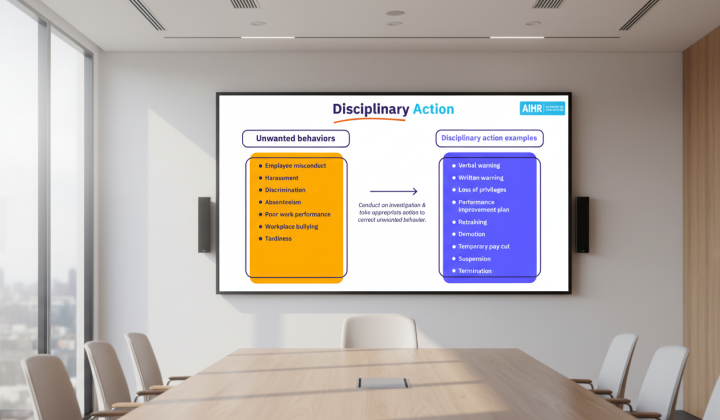
Employers have a range of disciplinary actions at their disposal, which may include:
- Verbal or written warnings
- Loss of privileges
- Performance Improvement Plans (PIP)
- Retraining
- Demotion
- Temporary pay reduction
- Suspension or termination
These measures are typically enacted in response to various employee issues, including misconduct, sexual harassment, discrimination, workplace bullying, absenteeism, tardiness, poor performance, insubordination, and safety violations.
To ensure fairness and transparency, organizations can implement a structured 7-step disciplinary process. This framework is designed to handle issues consistently and legally. The steps are:
- Identifying the problem
- Conducting an investigation
- Holding a disciplinary hearing
- Making a decision and implementing action
- Explaining the appeals process
- Monitoring and follow-up
- Escalating if necessary
Proper adherence to this process can help reduce incidents of bullying and discrimination, fostering a safer and more respectful environment for all employees. A clear policy not only protects employees but also shields the company from potential legal liability.
In conclusion, the current labor market climate makes robust disciplinary systems essential for ensuring workplace safety and equity. Raising awareness about these issues encourages employers to build more supportive environments, which positively impacts overall productivity and employee well-being. Given the rising number of harassment and discrimination cases, a well-defined disciplinary policy and procedure are crucial for maintaining a healthy organizational climate.

Read also