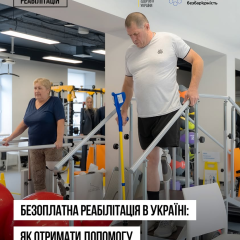
Access to Rehabilitation Aids Granted Without Disability Certification, Experts Confirm


The Importance of Rehabilitation Aids
According to Міністерство Здоров'я: Rehabilitation aids play a crucial role in helping individuals maintain independence in their daily routines. These aids include a variety of devices such as:
- prosthetics
- orthotics
- wheelchairs
- walking sticks
- crutches
- walkers
- lifts
- anti-decubitus mattresses and cushions
- bath and shower seats
- toilet supports
- specialized beds
- handrails
- standing frames
- devices for individuals with visual or hearing impairments
An expert team evaluates a person's functional abilities to determine the necessity of these aids.
Guidelines and Legal Framework
Recommendations for rehabilitation aids form a vital part of an individual's personalized rehabilitation plan. When requesting such aids, it is essential to inform the attending physician not only about the diagnosis but also about the practical challenges faced in everyday life. This detailed information allows for a more accurate identification of the specific aids required. Importantly, having an official disability status is not a prerequisite to receiving rehabilitation devices.
Current legislation allows certain groups of people to obtain rehabilitation aids based on a relevant medical assessment. The type, size, and specifications of each device are tailored during the selection process, ensuring that the aids meet the unique needs of every user. This customization significantly contributes to enhancing the individual's quality of life.
Modern rehabilitation approaches emphasize not only the provision of assistive devices but also the recognition of each person's individual needs. This highlights the importance of a comprehensive care model, where collaboration between healthcare professionals, patients, and their families is essential for successful rehabilitation outcomes. Ensuring access to rehabilitation aids is therefore a key factor in improving life quality for people with disabilities or mobility challenges.

Read also