Stanford Scientists Trace Coyote DNA in Chihuahua Genomes Back to Pre-Columbian Times

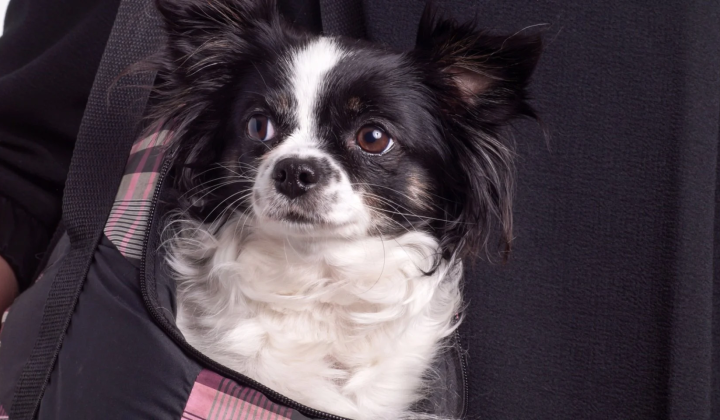
Uncovering the Genetic Origins of Chihuahuas
According to НВ — Техно: Researchers at Stanford University have identified segments of DNA in chihuahuas that originated from wild coyotes. These genetic contributions likely entered the breed’s ancestors well before Christopher Columbus arrived in the Americas. This finding highlights a complex heritage linking chihuahuas to ancient North American canines, including coyotes.
Research Approach and Tools
The team employed advanced genomic analysis software, Gnomix and Gnofix, to map and trace the ancestry of specific DNA regions. Previous studies established that both chihuahuas and the Mexican hairless dog, Xoloitzcuintli, descend from a blend of European and pre-Columbian dogs. Notably, over 4% of the Xoloitzcuintli genome shows Arctic origins.
While the precise timing of coyote gene integration into the chihuahua lineage remains unclear, it is still unknown whether interbreeding occurred intentionally or by chance. The exact traits passed down from coyotes to chihuahuas have yet to be pinpointed. However, the breed’s small stature is widely believed to be the result of selective breeding by humans.
Historical records indicate the presence of very small dogs in Mesoamerican cultures prior to European contact, although their connection to modern chihuahuas is not yet established. As researcher Jacqueline Boyd noted,
"Coyotes and wolves can interbreed naturally, particularly when certain behavioral traits provide an advantage."
This natural hybridization adds complexity to understanding the origins of some of the chihuahua’s genetic features.
These new insights offer valuable perspectives on the genetic makeup and evolutionary history of chihuahuas, shedding light on aspects of their mysterious past.
The study emphasizes the significance of exploring domestic animals’ genetic backgrounds, which benefits scientists studying evolutionary biology and helps dog owners learn more about their pets’ lineage and traits. Furthermore, these discoveries could influence breeding programs by informing strategies to develop or enhance dog breeds. Continued research is essential to unravel how cultural influences and natural processes have shaped the development of today’s dog breeds.

Read also