Breakthrough in Niobium-Titanium Alloys Shows Crack Resistance at −253°C, Advancing Energy and Aerospace Technologies

Material Science Breakthrough
According to НВ — Техно: A collaborative team of international scientists from the University of California, Berkeley, Lawrence Berkeley National Laboratory, and the University of Oxford has discovered that two novel niobium-titanium alloys maintain exceptional resistance to cracking at ultra-low temperatures, specifically −253°C. This finding promises to revolutionize the development of durable materials for use in critical sectors such as energy, transportation, and aerospace engineering.
Testing Alloys Under Extreme Cold
The alloys were rigorously tested at 20 kelvin (approximately −253°C), where they notably avoided the brittle failure commonly observed in metals at such temperatures. Samples were cooled using gaseous helium and subjected to tensile tests at the ISIS research facility in the UK. During these experiments, neutron irradiation was applied to the materials while measuring the stress and strain until the point of failure.
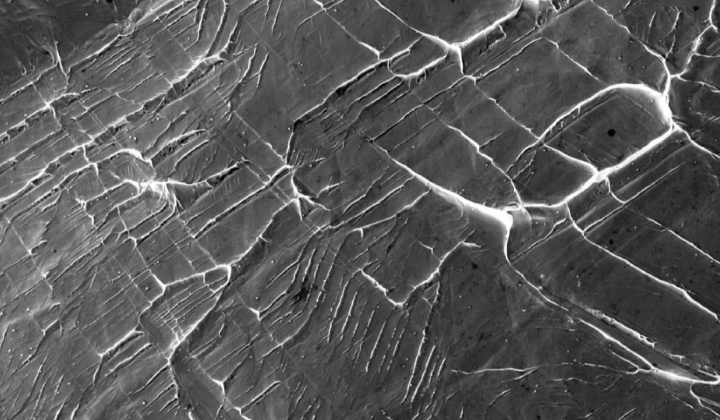
Advanced electron microscopy revealed the formation of previously unseen nanoscale twin defects between adjacent crystal grains. Researchers identified that the emergence of new dislocations at crystal boundaries plays a crucial role in enabling metal deformation despite the extreme cold. As David Cook, one of the study’s authors, explained, “Our findings challenge the traditional view of metal brittleness by highlighting not just the mobility of pre-existing defects but also the generation of new ones at crystal interfaces.”
The study’s results were published on October 14, 2026, in the journal Nature. This advancement opens pathways for engineering materials capable of withstanding significant deformation without failure in cryogenic environments.
Such innovations bear considerable significance for industries relying on materials exposed to harsh temperature extremes, including:
- The space sector, where structural components face intense cooling;
- Energy production and storage systems;
- Transportation technologies.
Implementing these new alloys could greatly enhance the reliability and safety of various technologies. Moreover, this discovery is expected to inspire further research into next-generation alloys with improved performance tailored for demanding conditions.
This breakthrough in niobium-titanium alloys not only enhances our understanding of materials at extreme temperatures but also aligns with recent advancements in the field. For instance, a collaborative effort between Chinese and German scientists has led to the creation of stronger and more cost-effective iron alloys using scrap metal. Such innovations in material science are crucial for various industries, including aerospace and energy, as they seek to improve performance while reducing costs. To learn more about these exciting developments, read about the new iron alloys from scrap metal.

Read also