Finland's Ex-Intel Chief Points to One Major US Blunder in the Standoff with Iran

Where the US Went Wrong Against Iran
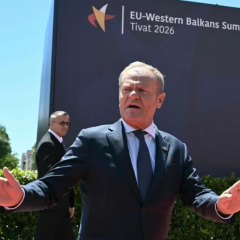
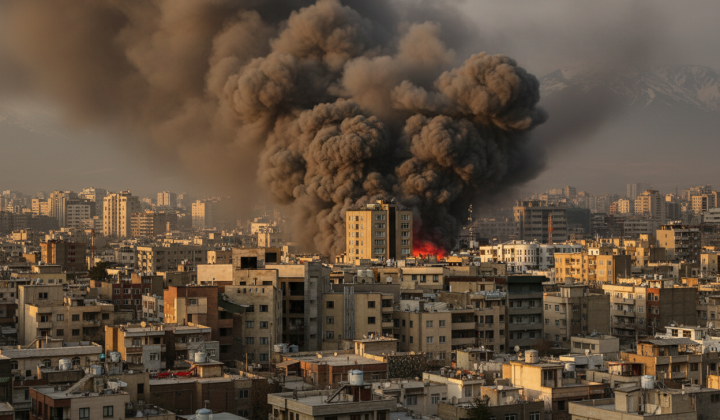
According to Главком: Pekka Toveri, former head of Finland's military intelligence, has identified critical missteps by the United States in its confrontation with Iran. According to him, Washington lacked a clear strategic objective and failed to adequately prepare for developments in the Strait of Hormuz. This, he argues, has created a deadlock in the region. Meanwhile, Iran relies heavily on large-scale missile and drone strikes targeting Gulf states and Israel-and a significant number of these attacks still hit their mark despite robust air defense systems.
Toveri made these remarks during an interview with Espresso. He stressed that the core U.S. error was not defining a precise strategic goal.
“You need specific objectives and a clear vision-knowing where you stand and where you are headed-and then deploy every tool available: political, economic, and military,” – Pekka Toveri.
He emphasized that military operations must serve those strategic ends, and that is precisely where the United States fell short.
Regional Dynamics and the Price Tag for Washington
In light of Iran's aggressive tactics, Toveri noted that “when Iran takes action, it relies on massive salvos of missiles and drones.” In response, the U.S. president's administration notified Congress that it was exiting a state of armed conflict with Iran. The cost of U.S. combat operations against Iran has reached at least $25 billion-equivalent to NASA's entire annual budget.
These figures highlight the gravity of the situation and the complexity of international relations in the region. Iran has also shared the text of a new negotiation framework with Pakistan for potential talks with the United States, signaling a possible shift in conflict resolution approaches. Given these developments, monitoring future changes in strategy is crucial, as any adjustments could significantly impact regional stability and global diplomacy. Facing such challenges, understanding strategic goals and methods becomes vital to preventing further escalation.
In the evolving landscape of U.S.-Iran relations, the recent failure of negotiations in Pakistan has prompted Washington to consider new sanctions against Tehran. This development underscores the escalating tensions and the need for a more coherent strategy in addressing Iran's aggressive posture in the region.

Read also