A Dual Purpose for Solar Panels: Keeping Crops Cooler and Curbing Evaporation

Better for Tomatoes and Field Workers Alike: Researchers Make the Case for Solar Canopies
According to НВ — Техно: Published August 20, 10:33 p.m.
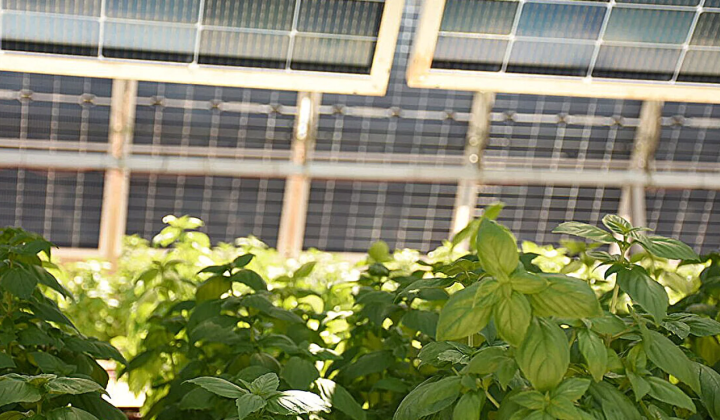
According to a new agrivoltaics study, placing solar panels above farmland is about more than just generating electricity. The shade keeps plants cooler, reduces water loss from the soil, makes working conditions easier for farmers, and offsets some of the efficiency loss that typically occurs when panels overheat. This dual-use approach-combining crop production with solar power on the same land-is gaining attention as a way to ease pressure between food and energy needs. The findings were published in the Journal of Advances in Modeling Earth Systems.
Inside the Microclimate Model
For the study, researchers built a comprehensive microclimate model that accounts for:
- soil type,
- agricultural crops,
- air movement,
- water evaporation,
- carbon dioxide absorption,
- heat stress on workers.
To validate the model, they used leaf temperature records from Davis, California, and soil temperatures from Chicago-identified as Minnesota in the article. Simulations were run for a hypothetical tomato farm on a hot, humid day in the Mid-Atlantic region of the United States.
Under the solar panels, tomato leaves averaged 1.84 °C cooler over the course of a day than leaves in an open field. During the hottest mid-day hours, that difference reached 7.56 °C. Evaporation-related water losses dropped 22.4 percent, while sunlight reaching the crop fell 47 percent. Interestingly, carbon uptake by the plants declined only 31 percent. The panels themselves were about 5.6 °C cooler during the day than comparable ground-mounted systems.
This cooling recovered roughly 15 percent of the generating efficiency normally lost to overheating. It also lowered the average air temperature around field workers by 4.46 °C. In short, the agrivoltaic arrangement offered clear benefits both for the plants and for the people working among them.
Wider adoption of agrivoltaic systems could be a valuable step toward more sustainable farming, especially under climate change. By generating power and growing crops on the same plot, farmers can reduce irrigation and cooling costs while using land more productively. These results may encourage further investment in technologies that merge energy and agriculture, which could support both food security and environmental resilience.
As the benefits of agrivoltaics become increasingly apparent, it's worth noting that farmers in Egypt have recently achieved success in cultivating watermelons under solar panels. This innovative approach not only enhances crop yields but also demonstrates the potential for sustainable farming practices. To explore this unique development further, read more about how Egyptian farmers are harnessing solar energy for agriculture.

Read also