Analyst: Ukraine's Missed Opportunity to Make the World Feel the War Through Food Exports

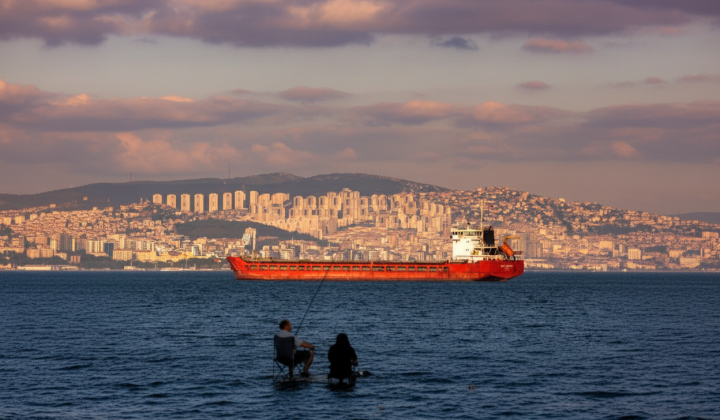
Global Reactions to Conflict: A Comparison Between Ukraine and the Middle East
According to ХВИЛЯ: Middle East expert Mohammad Farajallah, speaking on political analyst Yuriy Romanenko's broadcast, contrasted the international response to the conflicts in Ukraine and the Middle East. He observed that Ukraine failed to leverage its agricultural exports as a pressure tool to draw global attention to its war. Farajallah emphasized that despite enduring an illegal blockade, Iran managed to make the world feel the effects of its conflict-a tactic Ukraine, regrettably, did not employ. This perspective highlights how nations can use economic leverage to shape international awareness of a crisis.
Ukraine's Agricultural Exports as a Potential Tool of Influence
The expert noted Ukraine's critical position in the global agricultural market, ranking as the world's second-largest supplier of sunflower oil.
"Every second bottle of oil in the world is Ukrainian,"
stressed Farajallah. Furthermore, Ukraine is the fifth-largest global grain supplier, presenting significant opportunities to use food exports as an instrument of geopolitical influence.
Farajallah suggested that had Ukraine used this leverage to pressure other nations, the world might have gained a clearer, more tangible understanding of what the war truly means for the country.
"This is a lesson that sometimes one must avoid overly humane methods to force the entire world to look at your war not just as an event on a screen, but to actually feel that war,"
the expert remarked. He added that if you possess a tool to make the world feel that your house is on fire, you should use it.
Farajallah's comments underscore the importance of Ukraine's agricultural exports not merely as an economic resource, but as a potential instrument for heightening international focus on the conflict. Given that wars can trigger global food crises, such a strategy could potentially alter the dynamics of international support for Ukraine. Focusing on the agricultural sector as a means of influence may become a crucial aspect of Ukraine's foreign policy moving forward.
In a similar vein, the ongoing conflict has prompted discussions about leveraging international relations to gain strategic advantages. For instance, Ukraine could consider energy negotiations as a means to influence Western responses and halt strikes on Russia. Such strategies highlight the complex interplay between economic resources and geopolitical maneuvering, echoing the insights shared by Farajallah regarding Ukraine's agricultural exports.

Read also