Ukrainian Flour Exports Hold Steady Over Nine-Month Period

Ukraine's Flour Trade: Exports and Imports
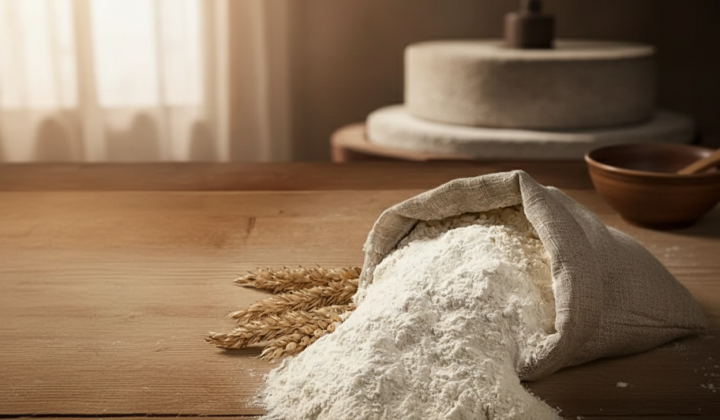
According to Главком: Ukraine exported 48.3 thousand tons of wheat flour between July and March of the 2025/2026 marketing year. This figure is nearly unchanged from the same period last year, which saw exports of 49.8 thousand tons, representing a minor decline of just 1.5 thousand tons. Meanwhile, Ukraine's flour imports have risen to 2.3 thousand tons, up from 1.9 thousand tons in the previous season. This trade data highlights the ongoing adjustments within Ukraine's agricultural sector, a key global supplier, following recent geopolitical shifts.
Shifting Market Dynamics
The share of Ukrainian flour shipments destined for the European Union has decreased from 44% to 35%. This indicates a reduced reliance on European consumers in this specific market segment. Amidst rising imports and slightly lower exports, Ukrainian producers are encountering new challenges in foreign markets and are likely diversifying their trade partners.
An analysis of import data reveals the top five destinations for Ukrainian flour:
- Moldova - 14.9 thousand tons
- Palestine - 9.2 thousand tons
- Czech Republic - 7.4 thousand tons
- Israel - 4.4 thousand tons
- Spain - 4.2 thousand tons
These figures underscore the continued international importance of Ukrainian flour and its role in supporting food security across various nations.
The slight dip in exports combined with increased imports points to evolving trade relationships for Ukraine. These changes may stem from various factors, including domestic production conditions and shifting external demand. The reduced export share to the EU suggests Ukrainian producers must adapt to new realities and seek alternative markets. This situation emphasizes the critical need for monitoring global food market trends to maintain the competitiveness of Ukrainian goods on the world stage.
As Ukraine navigates the complexities of its agricultural trade, understanding the broader context of its import dynamics becomes essential. For instance, a recent analysis highlights trends in apple and pear imports from Poland and the Netherlands, shedding light on how shifting market demands can impact various sectors. This interconnectedness underscores the importance of monitoring changes across different food products to grasp the full picture of Ukraine's trade landscape.

Read also