Former U.S. Ambassador to NATO: America Hasn’t Won a War in 30 Years

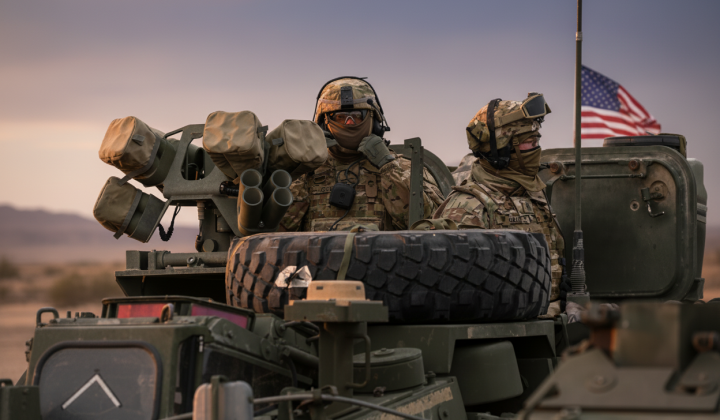
U.S. Military Victories Over the Past Three Decades
According to ХВИЛЯ: In a recent opinion piece for Politico, Ivo Daalder-who once served as the U.S. ambassador to NATO-argues that despite fielding one of the most formidable militaries on the planet, the United States has failed to win any war for more than 30 years. He attributes this record to three systemic flaws in how America approaches armed conflict:
- confusion between objectives and the methods used to achieve them;
- overreaching ambitions;
- the belief that overwhelming force can make up for a lack of clear motivation.
Daalder points to the 1991 Gulf War as the sole success, noting its limited goal: to push Iraqi forces out of Kuwait and restore the pre-invasion status quo.
Conflicts Since World War II
Since the end of World War II, the United States has been involved in major conflicts including Korea, Vietnam, Afghanistan, Iraq, and Iran. Yet, according to Daalder, none of these resulted in victory. He highlights that before the bombing campaign in Afghanistan began, then-President George W. Bush asked who would govern the country after the Taliban was toppled. In Iraq, occupation authorities disbanded the Iraqi army-a move that fueled ongoing instability. Regarding Iran, Daalder says the strategy boiled down to assassinating the supreme leader without a clear backup plan if that failed. He calls the strike on Iran the worst strategic miscalculation by Washington since World War II.
Daalder advocates for a return to the Weinberger-Powell doctrine, which demands clearly defined vital interests, achievable goals, domestic and international backing, the use of overwhelming force for limited tasks, and a well-defined exit strategy. He writes:
'The U.S. doesn’t lose because its military is weak; it loses because it chooses tools before setting goals.' – Ivo Daalder
In contrast, former President Donald Trump summed up his approach to Iran with the phrase: 'We either get a good deal, or we blow them to smithereens.'
Daalder’s analysis underscores the urgent need for the United States to rethink its war-fighting strategy to avoid repeating past mistakes and to secure success in future conflicts. This debate highlights how critical strategic planning and clear goal-setting are-issues that will likely shape U.S. foreign policy in the face of emerging global challenges.
In light of Daalder's analysis, it is essential to consider how current U.S. foreign policy, particularly regarding Iran, reflects these historical missteps. For instance, recent decisions by the Trump administration have prioritized the nuclear threat from Iran, often at the expense of domestic economic stability. Understanding this complex interplay between military objectives and domestic implications can provide further insights into America’s strategic challenges. To explore this matter in depth, read more about how the focus on Iran's nuclear ambitions may be impacting American citizens' well-being here.

Read also