Why Transport Operators Face Major Costs with the 2028 E-Ticket Mandate

The E-Ticket and Transport Reform
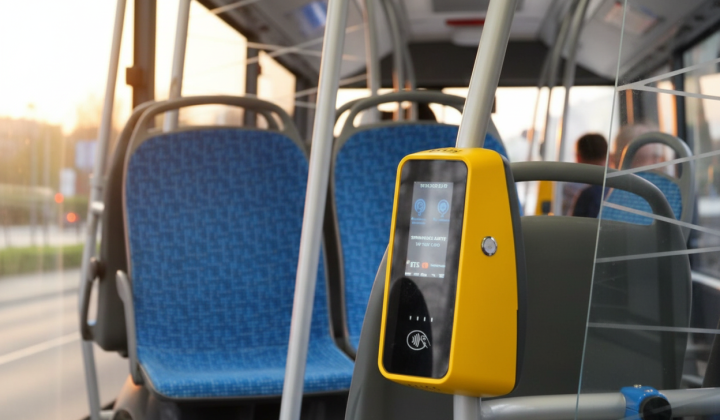
According to ХВИЛЯ: A major transport reform, centered on the introduction of electronic ticketing, is poised to impose significant financial strain on bus and minibus operators. The core issue is the requirement for operators to fund the installation of specialized equipment-including validators, onboard computers, and stable internet connections-in every vehicle. This transition is particularly challenging as most regional minibuses currently operate with unregistered cash payments, a system that complicates the shift to digital fare collection.
The electronic system is ultimately designed to bring transparency to cash flows within the sector. However, the substantial upfront cost of the necessary hardware presents a serious hurdle that could threaten the viability of some transport businesses.
As Iryna Polyakova pointed out, the 'true salvation' of this reform lies in revenue legalization: 'Legitimate money will start flowing into company accounts'.
She also cautioned, however, that 'some will bear these costs, while others may simply refuse to operate their routes.'
System Implementation Timeline
The full transition to the new system is mandated by July 1, 2028. Amid the financial uncertainty accompanying this overhaul, operators are grappling with serious questions about the future sustainability of their services. This reform is part of a broader national strategy to modernize transport infrastructure, which aims to improve service quality and reduce corruption in the sector.
For context, similar e-ticket reforms in other countries have initially strained small operators but often led to more reliable public transport systems in the long term. The success of this initiative will hinge on the willingness and ability of operators to adapt and invest in the required technology.
Given these challenges, it is crucial for the state to provide support to operators during this transitional period to mitigate potential social and economic disruptions.
As the shift towards digital ticketing progresses, concerns are rising regarding the accessibility of public transport for those without bank cards. This situation mirrors the challenges faced by transport operators, highlighting the need for comprehensive solutions that accommodate all passengers. For more insights on how this digital transition may impact riders and the broader implications for the transport sector, read our article on the full digitalization of free public transport.

Read also