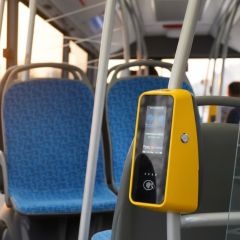
Free Public Transport to Go Fully Digital, Raising Concerns for Passengers Without Bank Cards


Draft Law No. 5651-2 and Its Impact on Public Transit
According to ХВИЛЯ: Draft Law No. 5651-2 proposes that a bank card-based electronic ticket will become the sole method for verifying eligibility for free public transport. This move could create significant difficulties for elderly citizens who do not possess bank cards, as they may struggle to adapt to the new system. The legislation includes a transition period, which will last until July 1, 2028, providing time to prepare for the overhaul of the public transport system. This shift is part of a broader digitalization trend in Ukraine's public services.
It is crucial to note that not all Ukrainian citizens have access to modern technology or banking services. Iryna Polyakova, an expert on social policy, highlighted this issue:
'Do all Ukrainians live in the capital and use smartphones from childhood? What is a grandmother in a village supposed to do if she only has a basic mobile phone and collects her pension in cash at the post office?' Iryna Polyakova, Social Policy Expert
This statement illustrates the potential challenges some population groups may face under the new rules.
The Social Implications of the Shift to E-Tickets
While Draft Law No. 5651-2 aims to streamline the process of confirming free travel rights, there is a risk that not all citizens will be able to benefit from these innovations. The time remaining until the end of the transition period could be vital for developing additional support measures for those unable to use electronic means. The success of such reforms often depends on ensuring no one is left behind.
The move to electronic tickets could fundamentally change how public transport is used in Ukraine. However, it is essential to consider the social dimensions of this process. A balance must be struck between modernizing transport infrastructure and guaranteeing service access for all segments of the population, particularly for those who may lack the means to utilize new technologies.
As the transition towards a fully digital public transport system unfolds, it's important to consider the upcoming changes in 2026, when electronic travel cards for subsidized passengers will be introduced. This initiative is expected to complement the current legislation, but it also raises questions about accessibility for vulnerable groups, emphasizing the need for a comprehensive approach to ensure inclusivity in the new digital landscape.

Read also