European Commission Sets 2026 Deadline to End All Russian Oil Imports

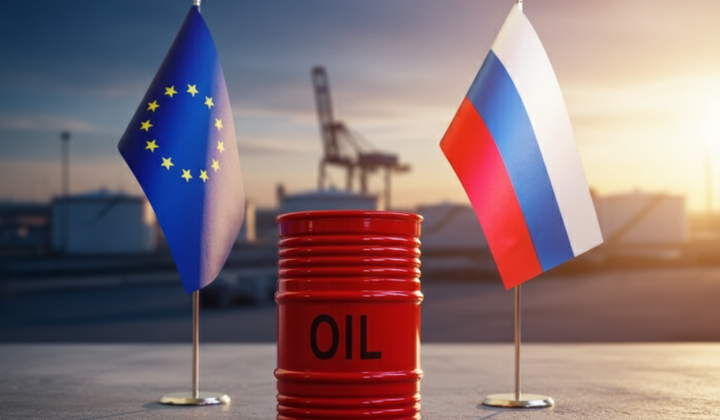
European Commission's Plan to Phase Out Russian Oil
According to Главком: The European Commission intends to propose that EU member states cease all purchases of Russian oil by the end of 2026. This move is part of a broader strategy to pivot towards alternative energy sources and systematically remove all Russian energy carriers from the EU market. The Commission has noted that ending imports of Russian nuclear fuel will require a longer and more complex preparatory period. This ambitious timeline reflects the EU's urgent drive to sever energy ties with Russia following its invasion of Ukraine.
Since February 1, the European Union has already been enforcing a price cap on Russian oil, set at $44.1 per barrel. Furthermore, the EU Council has approved a phased ban on imports of Russian pipeline gas and liquefied natural gas (LNG). In 2025, the Russian Federation earned €7.2 billion from supplying Yamal LNG to the European Union. According to data from the German organization Urgewald, over 15 million tons of Russian LNG arrived at European terminals during the year. The EU's share of supplies from the Yamal project increased to 76.1%, up from 75.4% the previous year.
EU's Resolve in Reducing Dependence on Russian Energy
“We are absolutely determined to complete our policy of switching to alternative energy sources, which involves the gradual removal of all Russian energy carriers from the EU market. It is clear that oil and nuclear energy will complement this policy.”
Anna-Kaisa Itkonen, European Commission Spokesperson
The proposed oil ban and the phased withdrawal from other energy carriers demonstrate the EU's growing resolve to reduce its dependence on Russian resources. This decision also underscores the critical importance of transitioning to renewable energy, a key pillar of the EU's sustainable development strategy. However, the process of ending reliance on Russian nuclear fuel will require additional time and meticulous planning, which could impact the region's short-term energy stability. The collective effort marks a significant and costly reorientation of Europe's entire energy supply chain.

Read also