A Flight Attendant Reveals the Aircraft's Top Seating Choices

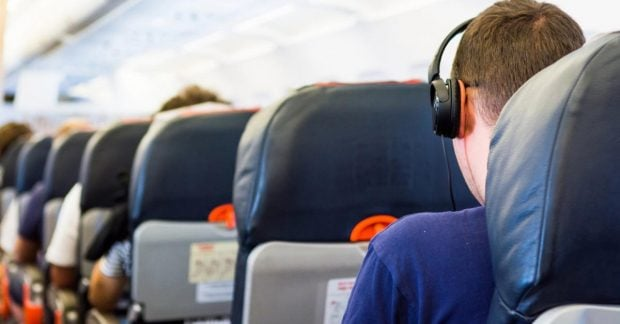
Selecting Your Seat on a Plane
According to УНІАН — Туризм: When booking a flight, many travelers prioritize seat selection to enhance their flying experience. Flight attendants often have unique insights into which seats offer the most comfort and convenience. The front section of the cabin, situated ahead of the wing, tends to be quieter than the rear and allows for a quicker exit after landing. This can be especially helpful for passengers with tight connections or those who prefer not to wait in the aisle upon arrival.
As for turbulence, the forward part of the plane provides a smoother ride, with less noticeable bumpiness. Window seats are ideal for sleeping, as you can lean your head against the wall and avoid disturbing others. In contrast, aisle seats offer greater freedom of movement, which suits travelers who frequently get up or prefer minimal interaction. According to the flight attendant:
“If someone asked me which seat I’d choose on a typical multi-hour flight, I would probably pick a spot in the first third of the cabin, ahead of the wing.”
Pros and Cons of Different Seats
Emergency exit rows provide extra legroom, but passengers seated there must be willing to assist the crew in an emergency. In some cases, flight attendants may reseat people in those rows if they are traveling with children, have limited mobility, or do not speak English well. As the expert notes:
“A passenger in an exit row must be ready to help the crew if needed.”
The rear of the plane has its own advantages. On lightly booked flights, empty seats may be available there, and on certain airlines, meal and drink service starts from the back, meaning those passengers are served first. The flight attendant adds: “The order of food and beverage service can vary by airline, but on some flights, service begins at the rear of the cabin.”
That said, choosing a seat is not always straightforward. The worst spots are near lavatories due to odors and noise, as well as the last rows where seats may not recline or recline only slightly. As noted in the article, “Less comfortable are those seats behind which there are no other rows.” This can become an issue on long journeys when comfort is paramount.
Ultimately, selecting a seat should be based on personal preferences and needs, as this decision can significantly affect your overall travel experience.
Understanding the characteristics of different cabin positions helps travelers make informed decisions, leading to a more pleasant journey. Consequently, airlines often allow seat selection at the time of booking, so passengers can account for their requirements and preferences early in the trip planning process.
While choosing the best seat can significantly enhance your comfort during a flight, many travelers often overlook the cabin's temperature. Understanding why airplanes tend to be so cold can help you prepare better for your journey and ensure a more pleasant experience, regardless of your seat choice.

Read also