EU cancels EES concessions: Ukrainians warned about longer queues at borders from September 6

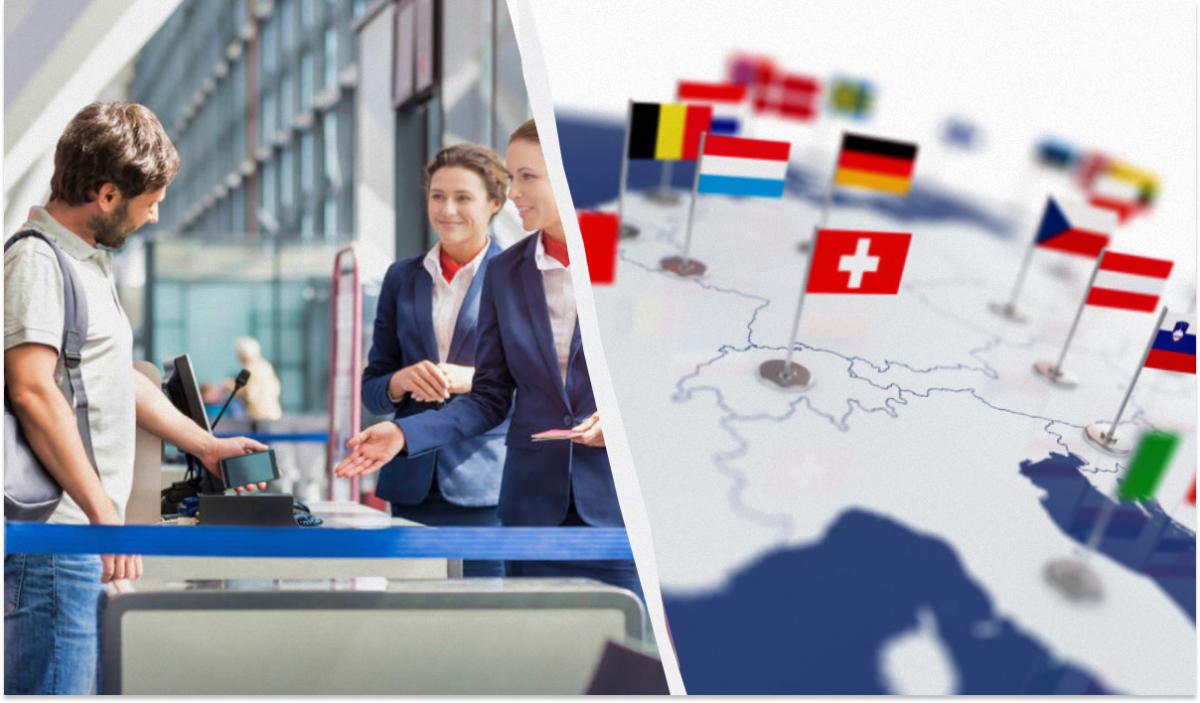
From September 6, there are fewer opportunities to temporarily simplify biometric checks under the EES at EU borders even during a large influx of passengers. For Ukrainians, this means a risk of longer waiting times, as previously queues through the EES system at some airports already lasted for hours. This is reported by Euronews.
How biometric control EES changed from September 6, 2026
In summer, EU countries could temporarily suspend fingerprinting and facial scanning in exceptional situations. This mechanism was used when passenger flow sharply increased and the passport control process became excessive.
Since September 6, this period of concessions has ended. Now, airports and border services have fewer options to waive biometric procedures solely due to long queues.
EES fully started operating at the border points of participating countries on April 10, 2026, after a phased launch in the fall of 2025. At the border between Ukraine and Poland, the new system had already caused an increase in processing time for passengers.
The European Commission states that EES generally worked well during the summer. At the same time, Brussels continues contacts with several countries where the system still requires improvement at certain crossing points.
Queues through EES may rise again in autumn 2026
The aviation industry fears a new increase in queues. According to IATA, the usual passport check previously took about 20-25 seconds, while the EES procedure takes about 90 seconds.
In July, the average waiting time in Frankfurt reached 120 minutes compared to 60 minutes a year earlier. In Munich, the figure increased from 31 to 60 minutes, while in Amsterdam, the maximum waiting time rose from 80 to 120 minutes.
«The continuation of the possibility for partial suspension after September 6 is absolutely essential at least until the end of the winter season,» said IATA Senior Vice President for External Affairs Thomas Reynaert.
Travelers are advised to allocate more time for crossing the border and to avoid short connections. An additional hour at passport control can turn a regular transfer into a risk of missing the next flight.
For Ukrainians, EES is relevant during short-term trips to the Schengen zone if they fall under the system's rules. During biometric registration, the system captures passport data, facial photos, fingerprints, and the date of entry and exit.
It is reminded that during the summer, European airports already recorded queues of up to five hours due to the operation of the new biometric EES system.

Read also