Is a visa required for Moldova: entry rules for Ukrainians

Currently, Moldova is one of the most popular countries among those closest to Ukraine. Therefore, a separate and more popular question is whether a visa is needed for this country, and if so, what kind and how much does it cost.
Is a visa required for Moldova: entry rules for Ukrainians
Ukrainian citizens do not generally need a visa for short-term trips to the Republic of Moldova. The visa-free regime allows visiting the country for tourism, visiting relatives and friends, resolving personal matters, participating in business meetings, or transiting, provided that the current border crossing rules are followed. At the same time, the absence of a visa requirement does not mean automatic permission to enter under all circumstances: the final decision is made by the competent border authorities of Moldova.
Before traveling, it is essential to check the validity of the document with which the border is planned to be crossed, as well as prepare information about the purpose of the visit, accommodation, and the anticipated date of departure. Such issues may arise during border control even for citizens of states with a visa-free regime. If the route involves a transfer or overland transit through other countries, the requirements of each must be separately considered.
For Ukrainians, it is important to distinguish between the right to short-term visits to Moldova and the right to long-term residence. A tourist trip, private visit, or short business negotiations usually do not require the issuance of long-term status. Instead, employment, long-term study, family reunification, and other grounds for residency may require additional documents, permits, or the issuance of the appropriate status according to Moldovan legislation.
The visa-free regime should also not be confused with the right to work in the country. The ability to cross the border without a visa does not, by itself, grant permission for any paid activity. If the trip is related to employment, it is necessary to clarify in advance what requirements are set for the specific category of work, whether documents from the employer are needed, and whether it is necessary to obtain a residence permit.
Particular attention should be paid to Ukrainian citizens who have been outside the country for an extended period or are planning to move to Moldova. In such a situation, it is important not to limit oneself to the short-term entry rules, but to check the possibilities of temporary protection, residence permits, or other legal mechanisms for stay. The corresponding procedure depends on the grounds, personal circumstances of the applicant, and the rules in force at the time of application.
The visa-free regime is convenient for short trips; however, the responsibility for complying with established conditions remains with the traveler. It is advisable to determine the duration of stay in advance, keep documents confirming the circumstances of the trip, and not exceed the permitted period. This will help avoid misunderstandings when leaving the country or crossing the border again.
What documents are required for Ukrainians traveling to Moldova
The main document for international travel for a Ukrainian citizen is a valid identity document that allows crossing the national border. The most convenient option for traveling to Moldova is usually a foreign passport. Before departure, it is crucial to check its condition, validity period, and the presence of all necessary pages and requisites. A damaged document, unclear data, or discrepancies in personal information can lead to additional checks.
The question of the possibility of entry with an internal Ukrainian passport, ID card, or other documents should be considered separately. In certain circumstances, specific agreements or temporary rules may apply between countries, allowing alternative documents for specific categories of citizens. However, one should not assume that any internal document automatically replaces a foreign passport for every traveler. Before departure, it is necessary to clarify whether a specific document is recognized on the date of travel and whether the corresponding rule applies to the applicant's circumstances.
If the foreign passport is lost, damaged, or remains inaccessible, it is necessary to determine the procedure in the competent authorities of Ukraine and Moldova. In case of loss of the document abroad, one may need to contact the police, confirm identity, and obtain a document for return or other prescribed procedure. It is risky to go to the crossing point with documents whose validity is not confirmed: this may lead to delays or denial of border crossing.
In addition to the main document, it is helpful to have other materials that explain the circumstances of the stay. Not every one of them is mandatory in all cases, but their presence facilitates responses to border officials' questions.
It is advisable to prepare:
confirmation of the place of residence in Moldova – hotel reservation, data about rented accommodation or the address of relatives or acquaintances;
information about the return journey or further itinerary if planned;
information about financial security for the trip, for example, confirmation of available funds or access to a bank card;
contact information for the hosting party if the visit is made on invitation;
documents confirming the purpose of the visit if it involves a business meeting, study, treatment, or other specific circumstances;
birth certificates of children and documents confirming family relationships if traveling with minors.
For those planning not a short visit, but residence in Moldova, the list of documents will be broader. Depending on the grounds, confirmations of residency, income, family relations, studies, employment, or other materials may be required. The exact list is determined by the procedure under which the corresponding status is issued.
Before traveling, it is advisable to check whether the details in tickets, bookings, and other documents match those in the passport. If the surname has changed, there are different transliterations in the documents, or travel takes place under several documents, it is better to prepare explanations and confirmations in advance. This is especially important for families with children, persons traveling with companions, and citizens whose documents were issued at different times.
Documentary preparation does not guarantee automatic passage but reduces the likelihood of delays due to incomplete information. It is best to have the necessary materials readily available – in paper form or in electronic copies, if the respective format is suitable for the specific procedure. However, an electronic copy does not always replace the original document required for border crossing.
How long can Ukrainians stay in Moldova without a visa
The duration of visa-free stay is one of the most important questions for Ukrainians planning a trip to Moldova. For short visits, the general guideline is the rule of staying up to 90 days within any 180-day period unless other specific rules apply to a particular category of citizens or circumstances. Before an extended trip, it is necessary to check whether this procedure applies for the planned stay and whether there are additional requirements related to the purpose of the visit.
The 90-day rule within 180 days does not mean that each border crossing automatically opens a new three-month period. Days of stay within the appropriate period are counted for calculation. If a person has spent a significant part of the previous months in the country, re-entry does not necessarily allow for another 90 days stay. Therefore, it is essential to consider previous trips, entry and exit dates, and not just the date of the last border crossing.
For example, if a Ukrainian citizen has already spent 60 days in Moldova within the relevant period calculated for the allowed stay, the remaining available time may be less than 90 days. The exact calculation depends on the calendar of previous trips and applicable rules. A departure for a few days to a neighboring state should not be seen as a way to automatically reset the previous period.
To avoid exceeding the allowed period, it is recommended to:
record the exact dates of each entry into Moldova and exit from it;
keep tickets, boarding documents, and other confirmations of the route;
calculate the duration of stay considering all previous trips;
check the rules before the expiration of the allowed period if a need arises to stay longer;
contact the competent authority in advance if planning to apply for another legal status.
It is also essential to distinguish between visa-free stay and stay based on specific legal status. Ukrainians who have applied for temporary protection or received the relevant decision may be subject to specific provisions. In this case, the legal regime is defined not only by short-term entry rules but also by the documents that confirm the granted status and the conditions of its validity.
If the end date of the allowed stay approaches, do not postpone checking until the last day. It is necessary to clarify whether extension, obtaining a permit, or other legal grounds for remaining are available. The mere fact of applying does not always mean automatic extension of the previous permit, so it is essential to obtain clear clarification on the legal status while the documents are considered.
Exceeding the allowed period may lead to legal consequences, including problems when exiting, administrative measures, or difficulties with subsequent trips. Therefore, accurately tracking days is not a formality but an essential part of trip planning.
Is insurance required for a trip to Moldova
Medical insurance should be considered before the trip to Moldova, even if short-term entry does not require a visa for a Ukrainian citizen. The absence of a visa requirement does not mean that the costs of medical help abroad will be automatically covered by the Ukrainian health care system. In case of illness, injury, or the need for urgent treatment, the cost of services can become a significant financial burden.
When selecting a policy, it is crucial to pay attention not only to its price but also to the list of insured events, territorial coverage, payout limits, and exclusions. A cheap policy may have limited coverage or exclude specific types of assistance. Before purchasing, it is essential to check whether insurance covers the entire trip period, including transit days if the route passes through other countries.
For a typical tourist trip, it is advisable to verify whether the policy includes:
emergency medical assistance;
doctor consultations and necessary examinations as per the terms of the contract;
hospitalization if covered;
medical transportation when necessary;
assistance in case of accidents;
24/7 support service or procedure for contacting assistance.
People who plan active recreation, long hiking trips, or sports should additionally verify whether the policy covers the respective risks. Some types of activity may be excluded from the standard contract or require separate expansion of insurance coverage. If the trip is related to regular treatment, it is necessary to carefully review the provisions concerning chronic diseases and existing conditions.
For long-term residence, study, or employment, the requirements for medical insurance may differ from those for a short tourist trip. In this case, it is essential to clarify whether a regular tourist policy is accepted or whether another confirmation of medical coverage is necessary. Conditions may depend on the category of stay and the specific administrative procedure.
Before departure, it is advisable to save the policy number, insurance company contacts, and instructions for action in case of an insured event. If urgent assistance is needed, one must act according to the circumstances and not postpone contacting emergency services for prior approval with the insurer. At the same time, whenever possible, one should adhere to the reporting procedure for the insurance company as outlined in the contract.
Thus, insurance is an important element of trip preparation, although its obligation for specific situations needs to be checked separately. The policy does not replace a passport, does not grant entry rights, and does not extend the permitted duration of stay, but it can help reduce financial risks during a stay abroad.
Is it possible to enter Moldova with children
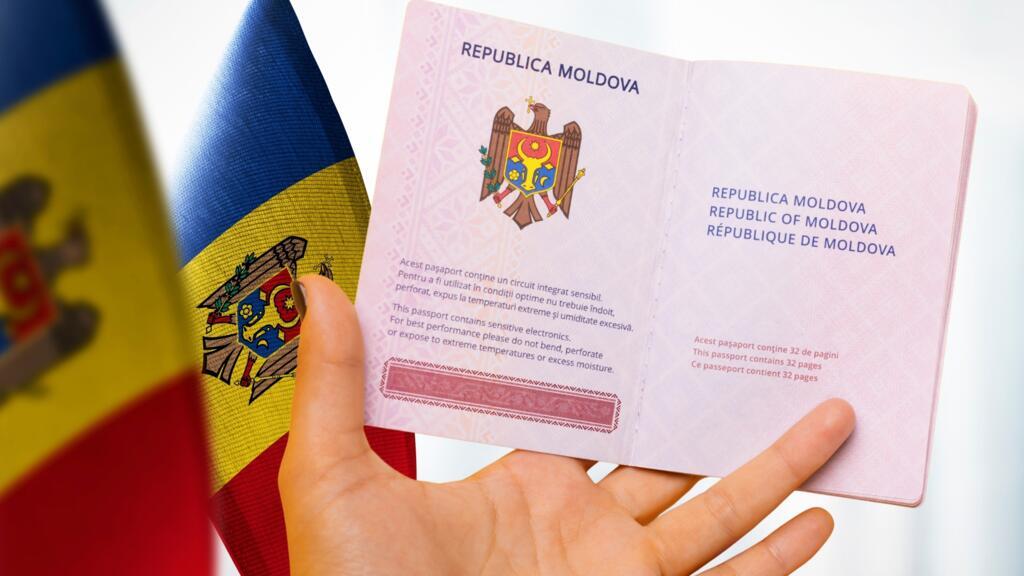
Traveling to Moldova with children requires separate preparation, as the document requirements for minors may differ from those for adult travelers. Before departure, it is necessary to check what document the child has, whether it is recognized for border crossing, and whether it meets current requirements. One should not assume that having documents for parents automatically allows the child to cross the border without their own proper document.
To confirm identity and family ties, the following may be required:
a valid document for international travel for the child;
birth certificate or another document confirming family relations;
documents of one or both parents or legal guardians;
documents regarding a surname change if the child's and accompanying person's details differ;
notarized consent or another permissive document if necessary according to the specific circumstances of departure;
documents on guardianship or custody if the child is traveling with a legal representative who is not their father or mother.
The exact list depends on who the child is traveling with, what documents have been issued, and what rules apply for crossing the Ukrainian and Moldovan borders. Moreover, it is necessary to check the requirements of Ukraine concerning the departure of minors. These may depend on the child's age, supervision, and specific legal circumstances. The necessity of notarized consent should not be determined solely based on advice from acquaintances, as rules can change, and a specific situation may matter for applying exceptions.
If a child is traveling only with one parent, a relative, a coach, a teacher, or another authorized person, it is essential to clarify in advance what documents confirm the legality of the accompaniment. When a child travels as part of an organized group, it is necessary to agree on the document preparation process with the responsible persons and the carrier. Mere verbal consent from parents may not be sufficient to meet all requirements.
Particular attention is required when a child has another citizenship, document from another state, or is in custody. In such cases, entry and exit rules may be determined not only by Ukrainian and Moldovan norms but also by the legislation of the state of citizenship or place of permanent residence. Before traveling, it is essential to check whether problems may arise during return or transit through a third country.
For children traveling for treatment, study, or long-term residence, additional documents may be necessary. These may include medical confirmations, an invitation from the educational institution, residency documents, or materials explaining the basis for the long stay. Their composition depends on the purpose of the trip and the procedure the family plans to undergo.
Practically, it is advisable to keep the child's documents separate from the main luggage, have access to contacts of parents or legal representatives, and verify that the personal data in all documents matches. If a child is traveling without one parent, it is advisable to have documents explaining family circumstances when they may be important for border control.
Preparing documents in advance helps avoid delays and misunderstandings at the border. If there are doubts about the permissible document or the need for consent for departure, it is better to obtain clarification before starting the route than to try to solve the issue directly at the crossing point.
Is confirmation of the purpose of the trip to Moldova required
When entering Moldova, border authorities may clarify the purpose of the trip, the planned duration of stay, and accommodation. For Ukrainian citizens benefiting from the visa-free regime, this does not mean that each tourist is obliged to have a separate official invitation. However, the traveler should be ready to explain the circumstances of the visit clearly and, if necessary, confirm them with documents.
For a tourist trip, useful materials may include hotel reservations, an itinerary, tickets, or information about places planned to be visited. If a person stays with friends or relatives, it is advisable to have the address and contact details of the host party. The lack of a hotel reservation does not automatically mean a denial of entry; however, information about accommodation must be consistent and credible.
During a private visit, the border guard may ask where the traveler is heading, how long they plan to stay, and whether they intend to return or continue their route. If necessary, documents confirming family ties, correspondence regarding the agreement for the visit, or other materials explaining the purpose of the trip may be useful. One should not submit unverified information or invent circumstances that do not actually exist.
A business trip can also occur without a visa if its nature corresponds to the conditions of short-term stay. For negotiations, meetings with partners, conferences, or professional events, invitations, event programs, or contact details of the organization with which a meeting is planned should be available. At the same time, a short business visit should not be equated with performing paid work on the territory of Moldova.
Employment requires separate legal assessment. If the actual purpose of the visit is to perform labor duties, receive wages from a local employer, or be engaged in work for a prolonged period, it is necessary to clarify the requirements for the respective type of activity. One must not assume that tourist status allows working solely because a person legally crossed the border.
For study, the duration of the program and the status of the educational institution are crucial. A short seminar or brief educational event may differ in legal regime from studying under a long-term program. If residence for a significant part of the year is expected, it is essential to clarify in advance whether special documents, permits, or permits are needed.
Financial security must also be taken into account. Confirmation of available funds may be important for evaluating whether a person can support themselves during the planned stay. Financial documents or other information corresponding to the circumstances of the trip may be used as confirmation. One should not rely on unverified universal amounts: specific requirements may depend on the situation and applicable rules.
The most important thing is the compliance between the stated purpose of the trip and actual actions. If a person reports a short tourist visit but intends to stay indefinitely or start working immediately, this may raise additional questions. Truthful explanations and documents that do not contradict each other help pass control without unnecessary complications.
How Ukrainians can stay in Moldova longer
If the planned visa-free period is insufficient, it is necessary to consider legal ways to extend the stay or obtain another status. The choice depends on the purpose of residence, personal circumstances, available documents, and the grounds provided for by Moldovan legislation. There is no universal mechanism that automatically allows all Ukrainian citizens to remain after the end of the short-term period.
One possible basis for longer residence is employment. In this case, it is necessary to clarify what documents must be arranged by the employee and employer, whether permits are required for the respective category of activity, and how the right to reside is arranged. It is essential not to start work based solely on the presence of visa-free entry or a verbal agreement with an employer.
Another basis is study. A person enrolled in an educational institution for a long-term program may be able to apply for the corresponding status provided that established requirements are met. Usually, it is necessary to confirm enrollment, the purpose of stay, and other circumstances provided for by the procedure. The mere fact of submitting documents to the educational institution does not necessarily grant the right to unlimited residence in the country.
For family members of Moldovan citizens or legal residents, there may be procedures related to family reunification. In this case, confirmations of family relations, the legal status of the host party, and compliance with other conditions are essential. The list of documents and submission procedure depends on the specific family situation.
A separate mechanism may apply to Ukrainian citizens who have left due to war and require protection. Temporary protection or another form of state support may grant the right to stay in the country for a defined period and enjoy established rights. However, the conditions, registration process, validity period, and possibility of extending such status should be verified at the time of application. One should not assume that all Ukrainians automatically receive the same status solely based on citizenship.
For individuals planning permanent residence, other grounds may be provided, but they require separate assessment and compliance with established requirements. It is essential to clarify what documents confirm the grounds for residence, where the application is submitted, whether an administrative fee is charged, and what the decision timeframe is.
Before the end of the permitted stay, it is crucial to determine whether it is possible to apply for the appropriate status while remaining in Moldova or whether other formalities must be completed. The assumption that the submitted application automatically legalizes further stay may lead to violations of the rules. It is advisable to obtain confirmation of legal status while the application is being processed and to keep documents issued by the competent authorities.
When planning long-term residence, one should consider not only migration rules but also practical matters: housing, medical care, financial resources, children’s education, access to services, and obligations regarding registration. If a person plans to work, it is essential to check the labor legislation requirements separately. Legal stay and legal employment are intertwined but are not always documented in one paper.
It is best to start the procedure in advance when there is still time to prepare documents and rectify possible shortcomings before the end of the permitted stay. If the grounds for residence have changed – for example, instead of tourism, the need to work or study has arisen – it is necessary to check whether the rules allow a change of status and what actions are needed for this.
Is a visa required for work or study in Moldova
For short visits to Moldova, a visa is usually not required for Ukrainian citizens; however, work and long-term study have their own rules. Visa-free entry should not be perceived as a universal permit for residence, employment, or participation in any activities. Before starting work or study, it is necessary to determine what documents are required for the specific purpose and whether the person has the right to engage in relevant actions on the territory of the country.
In the case of employment, it is necessary to distinguish between preliminary interviews, brief meetings with an employer, and actual performance of labor duties. A trip for negotiations may have a different legal regime than work under an employment contract. If wages are to be received, regular obligations performed, or prolonged engagement with a Moldovan enterprise anticipated, it is essential to check the requirements for foreign workers.
Before concluding an employment contract, it is advisable to clarify:
whether a permit or other document is required for the specific category of employment;
what documents the employer must provide;
whether a residence permit is necessary;
whether an application can be submitted while in Moldova based on visa-free entry;
what requirements apply to passport validity, registration, and confirmation of residence;
whether special rules are provided for certain professions or categories of workers.
One should not rely solely on verbal promises from intermediaries or employers. Before submitting documents or paying fees for processing, it is advisable to check whether the intermediary has the relevant authority, which specific services they provide, and what payments are official. Caution should be exercised especially concerning offers to start working immediately while arranging documents later.
For studying, the duration and format of the program are determinant. Short-term courses, conferences, or educational events may not require the same document package as long-term studies at higher education institutions. If education involves regular attendance and residence in Moldova for an extended time, it is necessary to clarify what status corresponds to this purpose.
It is advisable to clarify in advance with the educational institution what documents are required for a foreign student. Depending on the procedure, confirmations of enrollment, data regarding residence, financial security, and other documents may be necessary. If documents are issued outside Moldova, there may be requirements for translation, notarization, or confirmation of their validity.
Specific rules may apply to internships, volunteering, research programs, and other formats of involvement with organizations. The name of the activity does not always determine its legal regime: actual obligations, duration, source of funding, and the presence of labor relations are crucial. Therefore, before commencing a program, it is necessary to obtain clear explanations on what documents are specifically needed in each case.
If a person is already in Moldova as a tourist and subsequently received a job offer or enrollment in a study program, it should not be automatically assumed that one can simply remain until the program is completed. It is necessary to check the procedure for transitioning to another status, the application deadlines, and the conditions for legal stay during processing. If necessary, it is advisable to contact the competent migration authority or a qualified specialist.
Reasons for denial of entry to Moldova
The visa-free regime simplifies travel but does not eliminate border control. Ukrainian citizens must comply with established requirements and provide accurate information about themselves and the purpose of the visit. Denial of entry is possible if competent authorities find legal grounds for refusal or if a person does not meet the necessary requirements for crossing the border.
One of the possible reasons is problems with documents. This may include an expired or damaged passport, discrepancies in personal data, lack of the necessary document for specific circumstances, or doubts about its validity. If a person travels with a child, additional questions may arise due to the absence of documents confirming the identity of the minor, familial ties, or the legality of accompaniment.
Another common reason is conflicting information about the purpose and conditions of stay. For example, a person may claim the trip is for tourism but not explain where they plan to stay, how they will cover expenses, or why the actual circumstances do not match the stated purpose. The absence of one reservation alone is not necessarily sufficient grounds for refusal, but overall inconsistency in information may lead to additional checks.
Border authorities may also consider compliance with migration rules during previous trips. If a person has exceeded the allowed period of stay, failed to meet lawful requirements, or has other circumstances affecting eligibility for entry, it may complicate crossing the border. Therefore, it is essential to keep documents from previous trips and not ignore official decisions made by competent authorities.
Among the circumstances that may raise additional attention during control, the following should be mentioned:
absence of a valid document for crossing the border;
incomplete or contradictory answers regarding the purpose of the visit;
inability to explain the planned duration of stay;
indications that the actual purpose of the trip does not correspond to the declared one;
previous violations of stay rules or failure to meet lawful requirements;
documents regarding which there are reasonable doubts about their authenticity;
other grounds provided by law related to security or eligibility for entry.
During border control, it is advisable to respond calmly, clearly, and truthfully. If asked about the address of residence, the purpose of the trip, or the return date, the responses must correspond to actual plans. It is not advisable to hide significant circumstances, submit false documents, or invent reservations. False information may lead to much more serious problems than the absence of a specific additional document.
If the border guard asks clarifying questions, this does not necessarily mean that entry will be denied. The check may be related to the need to establish identity, clarify the purpose of the trip, or verify documents. At the same time, the decision depends on all circumstances of the specific case, so no set of prepared materials can guarantee unconditional passage through the border.
In case of refusal, it is necessary to find out what decision has been made, on what grounds, and what procedure is provided for appealing or further actions. It is essential to keep issued documents and not attempt to cross the border again while ignoring established restrictions. If the reason is related to a document error or misunderstanding regarding the purpose of the trip, it is essential to resolve the relevant problem before the next attempt.
The most reliable way to prepare for the trip is to check documents in advance, accurately calculate the permitted length of stay, and ensure that the planned activity corresponds to the chosen legal regime. For a short visit, Ukrainian citizens usually do not need a Moldovan visa; however, prolonged residence, work, study, and other specific circumstances may require additional processing. Before departure, it is essential to verify the current rules, as requirements and procedures may change.
In general, if it is necessary to cross this country for transit or tourism, a visa will be required. All other cases should be considered separately.

Read also