EU Links $90 Billion Aid to Key Pipeline Repair, Testing Ukraine's Stance on Russian Oil

The 'Druzhba' Pipeline Dilemma
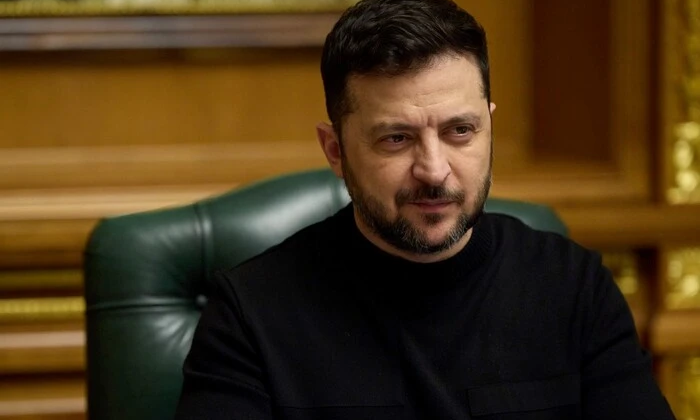
According to Главком: A contentious debate is underway in Ukraine over whether to repair the Russian-damaged 'Druzhba' oil pipeline. The European Union has connected the approval of a substantial 90-billion-euro loan package to the restoration of this transit route. However, President Volodymyr Zelenskyy opposes reviving the flow of Russian oil, stating it contradicts Ukraine's core political principles. This puts Kyiv in a difficult position, balancing urgent financial needs against its strategic energy independence from Russia.
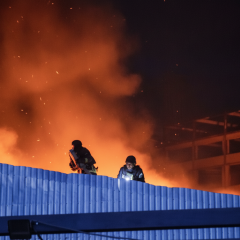
The 'Druzhba' pipeline, a major Central European artery with a capacity of 75,000 tons, sustained severe damage. A primary pumping station in Brody, Lviv region, was critically hit on January 27. Restoring the extensive infrastructure, including pumps, compressors, and control systems, would be a lengthy and complex undertaking.
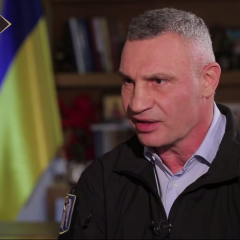
'There is no technological or, most importantly, security sense in restoring it. Because the next shelling, the next missile or drone could destroy it again.' - Serhiy Koretskyi, Head of 'Naftogaz'
President Zelenskyy reinforced this security concern, questioning the logic of trusting Russian actions: 'When they wanted to inspect us, we clearly stated there was destruction. I don't think EU representatives distrust us. I think our word should be enough.' He firmly stated, 'I would not restore the oil pipeline,' as doing so would financially support the aggressor state.
Security Measures and Supply Alternatives
In light of the ongoing threat, Ukrainian officials emphasize the need to build secure, NATO-standard underground tank farms instead. Koretskyi pointed out the scale of the destruction, noting that the pipeline is a vast network of vulnerable components. This underscores that any repair effort would be massive and risky.
Ukraine's immediate goal is to establish the basic technological operability of its energy infrastructure within a month to six weeks. Concurrently, it is developing plans for an alternative system of underground reservoirs. Meanwhile, the European Union is considering the Croatian Adria pipeline as a potential alternative supply route to Central Europe, which could reduce reliance on the damaged 'Druzhba' line.
The situation remains complex, requiring careful analysis of safety, economic viability, and political consequences. The debate over 'Druzhba' highlights the broader tension between immediate economic pressures and long-term security strategy in wartime Ukraine. The exploration of alternative oil routes reflects a shared desire by both Ukraine and the EU to bolster regional energy security and diminish dependence on Russian resources.

Read also