A hydrogel membrane that strips oil from seawater and desalinates it has been developed by scientists

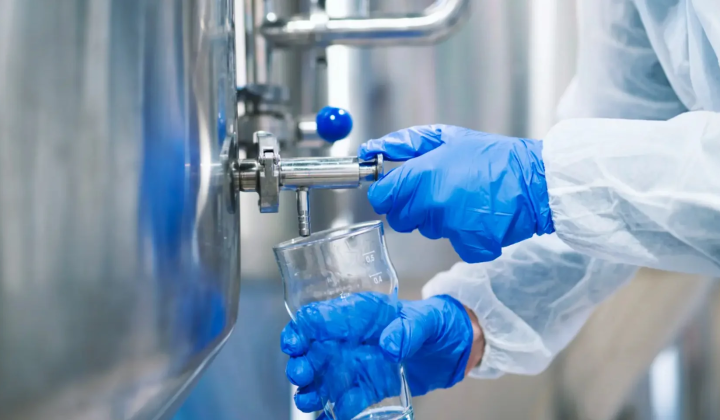
Two-in-one: a solar-powered membrane that pulls oil from seawater and makes it drinkable
According to НВ — Техно: August 4, 08:00
A team at Pusan National University, led by Professor Sanghyun Jeon, has developed a new hydrogel membrane with a Janus structure. It uses solar heat to do two jobs at once: separate oil from seawater and desalinate that same water. In trials, the membrane removed over 99.99% of oil from contaminated seawater, demonstrating high efficiency.
Membrane design and performance
The membrane has two sides. One side allows water to pass through while blocking oil droplets; the other side contains copper oxide nanoparticles wrapped in a carbon shell. Efficiency remained stable no matter how large the oil droplets were or how many cleaning cycles were run. Evaporation reached about 0.05 gallons per square foot per hour-nearly three times faster than standard membranes.
This innovation is especially important as freshwater shortages intensify in Africa, the Middle East, and Southeast Asia. Solar desalination uses little electricity, making it an economically attractive option for areas with scarce resources. It is also worth remembering that seawater near ports and industrial hubs is often polluted with oil, so such membranes could meaningfully improve local water treatment.
Being able to clean and desalinate seawater in a single step is a major milestone in addressing water pollution and freshwater shortages.
- Professor Sanghyun Jeon
This technology could become essential for water-stressed regions and help improve the ecological health of marine ecosystems. It also demonstrates how advanced materials can tackle major environmental problems, encouraging further research in this field. As demand for fresh water continues to climb, energy-efficient solutions like this are likely to attract growing attention.
As the demand for sustainable solutions grows, recent advancements in membrane technology have shown promise in reducing energy consumption during oil refining processes. This development aligns with the ongoing efforts to address environmental challenges, particularly in water management and pollution. To learn more about how these innovations can significantly lower energy costs in oil processing, read about the new membrane technology that researchers have introduced.

Read also