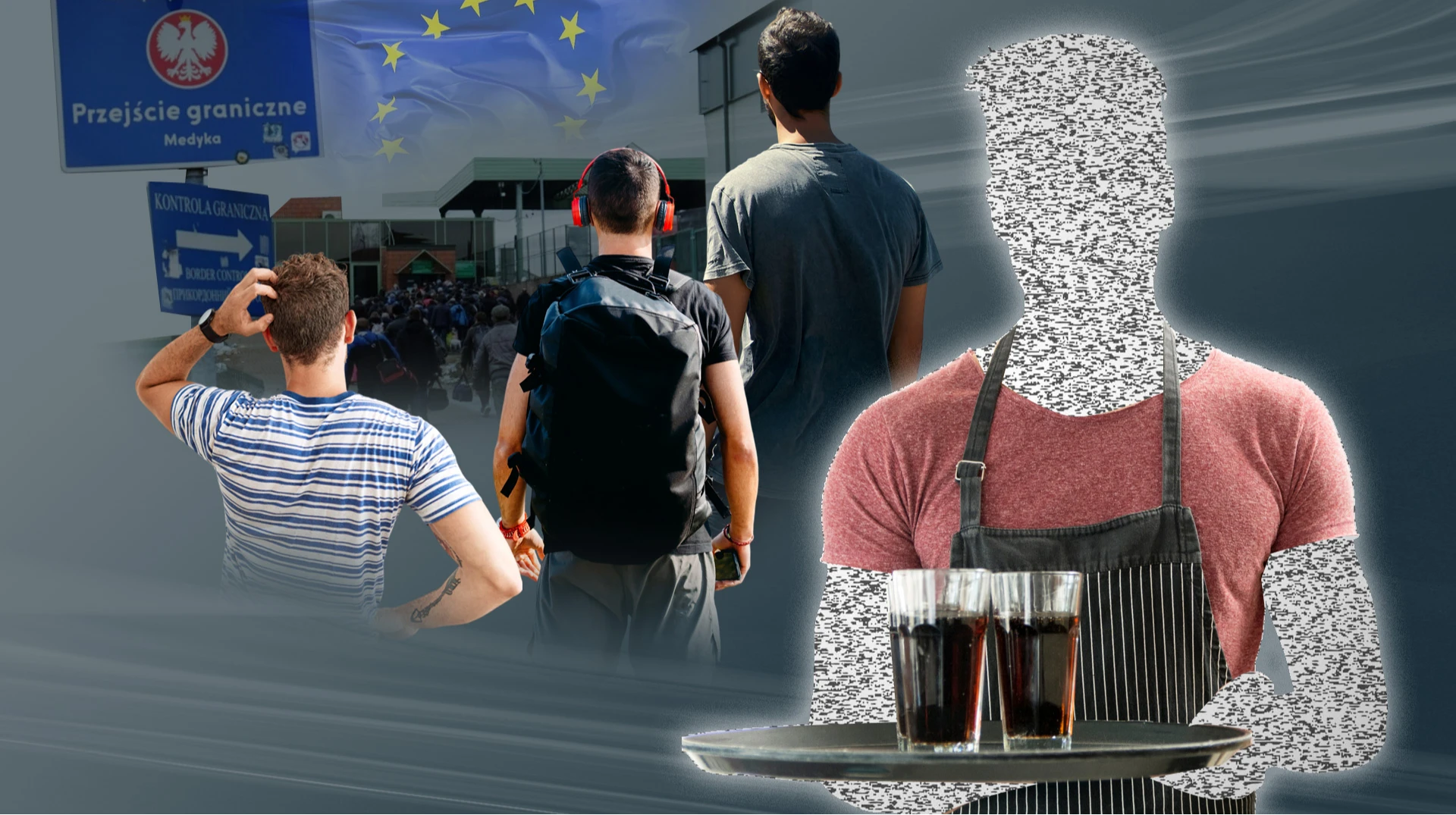
European countries are accepting remote workers: comparing the conditions of 2026


Remote workers can obtain legal residence in Spain, Portugal, Italy, Latvia, Estonia, and Croatia. However, the digital nomad visa requires verified income and contracts, and sometimes qualifications and experience. Visit Ukraine writes about this.
Digital Nomad in Europe: Income and Duration of Stay in 2026
Under the common name, various mechanisms are in place: visas, residence permits, and special grounds for temporary stay. The main differences among the six programs are as follows:
- Spain: consular visa for up to one year or residence permit for up to three years. The financial requirement for the applicant is 200% of the minimum interprofessional wage (SMI).
- Portugal: for D8, an average monthly income over the last three months of €3680 is required. This is four minimum wages of €920.
- Italy: visa for up to 365 days for highly qualified specialists. Confirmation of qualifications, experience, legal income, housing, and insurance is required.
- Latvia: visa for one year, income of €4538 per month. The employer or self-employed applicant must be registered in an OECD country.
- Estonia: D visa for up to 365 days. The Ministry of Foreign Affairs indicates €3960 per month, while the e-Residency portal states €4500 net. The applicable threshold should be confirmed at the consulate.
- Croatia: residence for up to 18 months, starting from €3622.50 per month. An alternative for a one-year stay: €43,470 in the account.
The conditions for remote work in Portugal, including financial thresholds, change along with the baseline indicators. Old amounts from reviews should not be used for new applications.
Documents for Digital Nomad in Europe: What to Check in 2026
Depending on the program, a passport, contracts, income verification, health insurance, and housing documents will be required. Some countries require a certificate of no criminal record, translations, and document legalization.
For Ukrainian freelancers, not only the amount of earnings is important. For example, the Latvian program checks the country of registration of the activity. Therefore, sufficient income alone does not guarantee compliance with the conditions.
Before choosing a city for remote work, it is worth comparing the requirements regarding employment, family, and local clients. The permission to work online does not always grant the right to employment in the country of residence.

Read also