FDA approval has been granted to a robot that collects patients' blood on its own

Aletta device receives FDA clearance
According to НВ — Техно: Robotic assistance is gradually becoming part of everyday medical practice, and Aletta is one of the latest examples. On August 20, 2023, the FDA approved Aletta, a robotic system designed for automated blood collection in outpatient settings. Using infrared light and Doppler ultrasound, the device locates a vein by itself and then carries out the entire procedure: applying a tourniquet, inserting the needle, drawing blood, disposing of the needle, and placing a bandage.
That level of automation does not mean the process is fully hands-off. A trained specialist still has to start the procedure and supervise the device. According to the FDA, one staff member can watch over up to three Aletta robots at the same time.
How Aletta works, step by step
- Find the vein
- Apply a tourniquet
- Insert the needle
- Collect the blood sample
- Dispose of the needle
- Apply a bandage
Clinical trials showed that Aletta collects blood at rates comparable to, or in some cases better than, human healthcare workers. Blood draws are one of the most common medical procedures in the United States, so such automation could matter across the health system. No timeline has been announced for when Aletta will start appearing in doctors' offices.
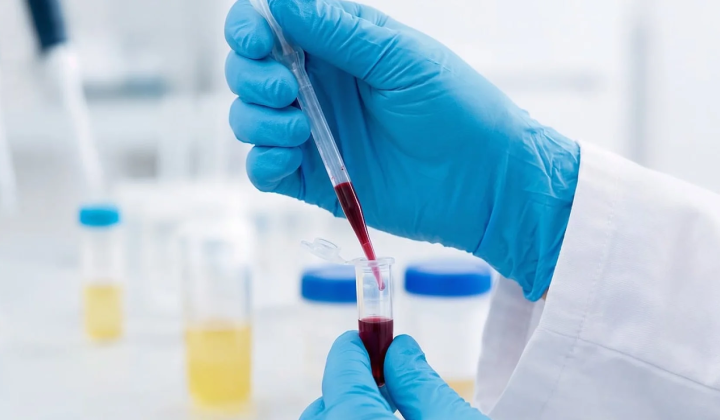
For now, the procedure still requires a trained professional to supervise (Photo: pixabay).
The FDA's approval of Aletta could change how routine blood draws are approached, reducing the time and resources that go into each procedure. Automating these repetitive clinical tasks may help healthcare workers concentrate on more complicated duties, improving the overall efficiency of clinics and hospitals. Tracking how the device is adopted in real-world settings will be key to understanding its broader impact on care delivery.

Read also