What Science Reveals About Pistachios, Tryptophan, and Phytomelatonin in Sleep Quality

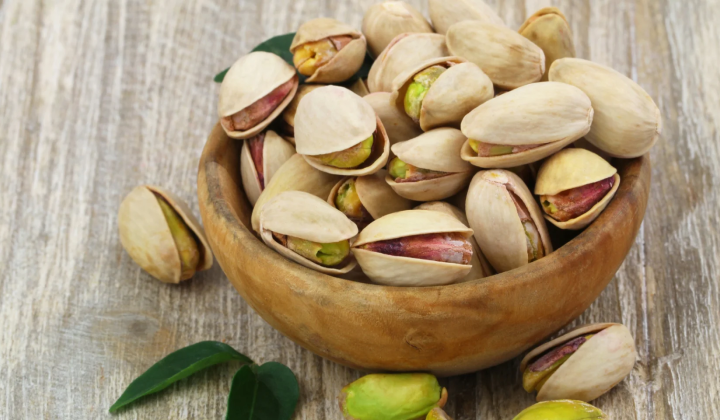
Separating Fact from Fiction: Experts Assess Pistachios' Role in Promoting Restful Sleep
According to НВ — Техно: Researchers are actively exploring how pistachios might influence sleep quality, focusing on their content of tryptophan, phytomelatonin, and other nutrients. A typical serving of pistachios (28.3 grams) contains approximately 71 milligrams of tryptophan and between 0.074 to 18.7 micrograms of phytomelatonin. Despite these components, definitive evidence confirming pistachios as an effective sleep aid is still lacking, with clinical trials ongoing under the support of the American Pistachio Growers organization.
Pistachios are notable for combining several nutrients linked to sleep physiology, including tryptophan, magnesium, and vitamin B6. Tryptophan is an essential amino acid involved in the production of serotonin and melatonin. Marie-Pierre Saint-Onge, a specialist in the field, highlights this unique combination:
"Pistachios are intriguing to researchers because they contain multiple nutrients that play a role in sleep regulation."
However, experts caution that simply eating pistachios does not guarantee an increase in melatonin levels in the brain. Factors such as nutrient absorption, metabolism, and crossing the blood-brain barrier all influence this process. Sebnem Unlu-Isler compares pistachios to other foods like turkey, eggs, and pumpkin seeds, noting that "pistachios are not an exceptionally concentrated source of tryptophan."
Regarding phytomelatonin, its concentration in pistachios can vary significantly between batches. In contrast, melatonin supplements typically provide between 1 and 5–6 milligrams daily. Unlu-Isler explains:
"The potential benefits of pistachios likely arise from the combined effects of their nutrients, polyphenols, and interactions with the gut microbiome rather than from melatonin content alone."
While pistachios may offer some nutritional support for sleep, medical professionals emphasize that individuals with chronic sleep disorders should seek advice from healthcare providers. Pistachios can be a valuable dietary addition but should not be viewed as a standalone treatment for insomnia. Ongoing scientific studies aim to shed further light on this topic.
Investigating pistachios' impact on sleep quality underscores the importance of a holistic approach to nutrition and health. Although these nuts contain beneficial compounds, consuming them is not a cure-all for sleep issues. It is crucial for consumers to recognize that sleep difficulties have diverse causes and require personalized strategies. Therefore, despite promising research findings, consulting medical experts remains essential when addressing sleep-related concerns.
As researchers delve deeper into the complexities of sleep quality, understanding the roles of various nutrients becomes increasingly important. For instance, the interplay between magnesium and melatonin is crucial for enhancing sleep. To explore how these elements differ and their implications for sleep improvement, you can read more about the differences between magnesium and melatonin in our detailed analysis.

Read also