Wikimedia Foundation Backs Open AI Training Data Use but Challenges Text Reproduction in Outputs

Legal Brief in The New York Times vs. OpenAI and Microsoft Case
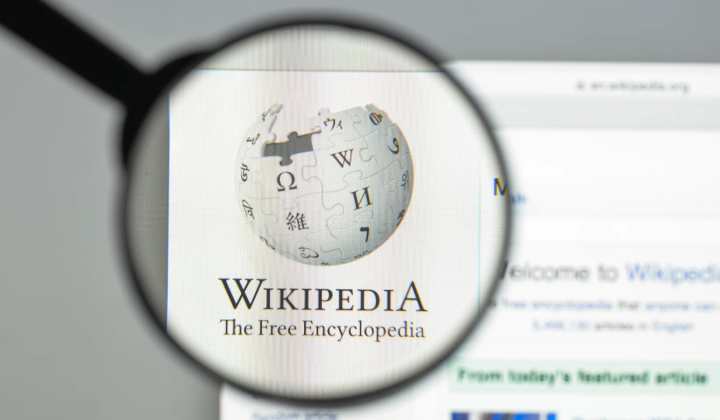
According to НВ — Техно: The Wikimedia Foundation has submitted a legal brief regarding The New York Times’ lawsuit against OpenAI and Microsoft over the use of the newspaper’s articles to train artificial intelligence models. While the Foundation supports the use of freely accessible content for AI training purposes, it opposes the direct replication of textual material within AI-generated responses as a legitimate fair use defense. This case carries significant weight, as its outcome could influence Wikimedia’s content licensing agreements with technology companies.
Details of The New York Times’ Lawsuit
In December, The New York Times filed a lawsuit accusing OpenAI and Microsoft of unlawfully using millions of its published articles to develop their chatbot technologies. OpenAI and Microsoft counter that their data collection for ChatGPT and Copilot products falls under fair use provisions. The Wikimedia Foundation views both parties’ arguments as overly broad and recommends rejecting the idea that reproducing texts in responses via Retrieval-Augmented Generation (RAG) qualifies as fair use.
Additionally, in early 2024, the Wikimedia Foundation entered into agreements with Amazon, Meta, Mistral, Perplexity, and Microsoft, ensuring compensation for Wikipedia content utilized in training AI models. Large language models also contribute to Wikipedia by assisting in monitoring unauthorized disclosures of private information and supporting article editing efforts.
Stephen LaPorte emphasized, “The court needs to recognize that Wikipedia is built through a collaborative process that depends on a strong foundation of open and accessible human knowledge to thrive.”
The lawsuit holds broad implications for the future of digital content licensing, as it will help define the boundaries of fair use in AI technology development. The court’s decision may affect ongoing agreements between Wikimedia and IT companies and influence copyright frameworks related to training AI models, potentially reshaping intellectual property rights in the era of emerging technologies.

Read also