Putin’s Security Drastically Tightened Over Assassination Fears: Russian Leader Increasingly Hides in Bunkers

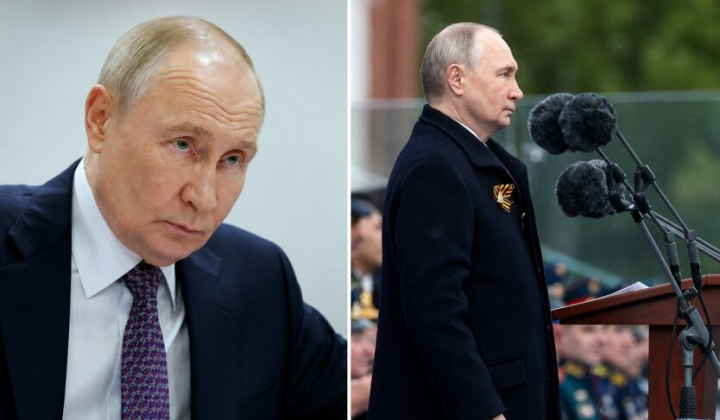
Heightened Protection for President Putin
According to ХВИЛЯ: Russia’s Federal Protective Service (FSO) has ramped up security for President Vladimir Putin amid growing concerns about potential assassination attempts. In recent months, the president has been spending more and more time in underground bunkers. Putin’s isolation has deepened over several years, especially since the Covid-19 pandemic. Meanwhile, since March of this year, the Kremlin has voiced worries about the possibility of a coup or assassination, including attacks using drones.
In 2025, Ukrainian drones struck military targets deep inside Russia, sending shockwaves through the Russian leadership. According to the Financial Times, a source familiar with Putin stated that
“the shock from the Ukrainian ‘Spider Web’ drone operation is still being felt”
. Fears for the president’s safety also intensified after the capture of Venezuelan leader Nicolás Maduro in January of this year.
New Security Measures
In response to these events, Putin has cut back on his visits, and security checks for those meeting him in person have become much stricter. It is known that the president and his family have stopped visiting residences in the Moscow region and at Valdai. Moreover, Putin is spending more time in bunkers, including in the Krasnodar region. State media have started using pre-recorded footage, pointing to his growing isolation.
New security rules have been introduced for the president’s inner circle:
- staff are banned from using public transport, mobile phones, and internet-connected devices near Putin;
- video surveillance systems have been installed in the homes of his closest aides;
- internet shutdowns in Moscow are partly linked to ensuring the president’s safety and protecting against possible drone attacks.
Heads of security agencies are blaming each other for failing to prevent attacks on Russian generals. At the same time, Putin has focused on the war, putting domestic policy on hold. As one acquaintance of the president noted,
“Putin spends 70% of his time waging war, and the remaining 30% on meetings with the president of Indonesia or dealing with economic issues”
. These developments highlight rising tensions in Russian politics and security amid external threats.
The increased protection of Putin and his isolation point to growing internal threats facing the Russian leadership. The risks of possible assassination attempts and coups are pushing the Kremlin to adopt harsh security measures, which may signal instability within the country. At the same time, Putin’s focus on the war and his withdrawal from domestic affairs could have long-term consequences for Russia’s political landscape.
As concerns about President Putin's safety grow, it's essential to understand the shifting landscape of Russian public sentiment that may be contributing to this heightened security. Recent analyses reveal significant changes in how the populace perceives the president, with many feeling disillusioned about his leadership. These shifts could have profound implications for the Kremlin's stability and its response to potential threats. For a deeper insight into these alarming transformations in public opinion, read more about the evolving attitudes towards Putin.

Read also