GE Aerospace’s Hybrid Aircraft Engine Achieves 30% Fuel Savings in Tests

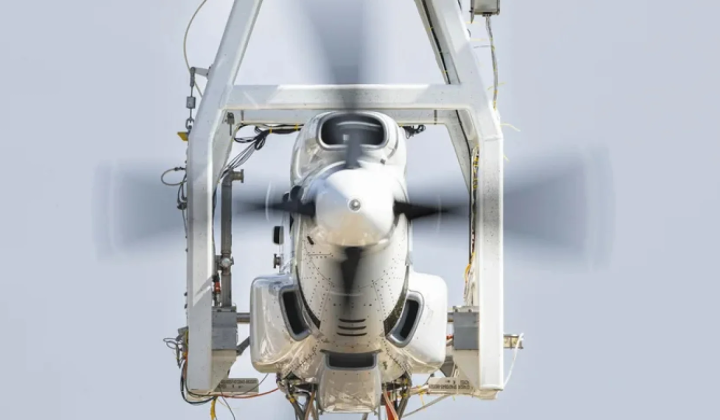
Hybrid Aviation Engine from GE Aerospace: Opening New Frontiers for Flight
According to НВ — Техно: On June 10, GE Aerospace successfully tested a hybrid aircraft engine that combines a CT7 turboprop engine with an electric motor. The primary goals of these trials are to cut fuel consumption by up to 30% and reduce noise levels-advancements that could reshape modern aviation. Commercial deployment of this technology is targeted for 2035.
The engine was tested across all operational phases, from takeoff to cruise. A standout feature is its ability to run solely on electricity at certain points, unlocking fresh potential for eco-friendly air travel. Since jet fuel accounts for roughly a quarter of flight costs, such efficiency gains could significantly lower airline expenses.
The electric motor used in this new hybrid design operates more quietly than a conventional turbine, which may enhance passenger comfort and reduce noise pollution around airports. Another advantage is the potential to retrofit older aircraft frames, such as the Saab 340B, helping conserve resources and cut emissions.
Future Outlook for the Hybrid Engine
GE Aerospace’s hybrid engine marks a major step forward in aviation innovation and could serve as a cornerstone for sustainable growth in the sector.
This test underscores a broader industry shift toward technologies that minimize environmental impact. Lower fuel costs and quieter operation not only boost economic efficiency for airlines but also make flying more pleasant for passengers. Such innovations are likely to be critical for carriers aiming to stay competitive in the years ahead.
As the aviation industry embraces innovative technologies, GE Aerospace is also making strides in hypersonic jet development, leveraging artificial intelligence to enhance performance. This dual focus on hybrid and hypersonic engines reflects a broader commitment to sustainability and efficiency in air travel, paving the way for advancements that could redefine the future of flight.

Read also