General Atomics Develops NextGen Drone with Hybrid-Electric Engine Capable of Over 48 Hours Flight

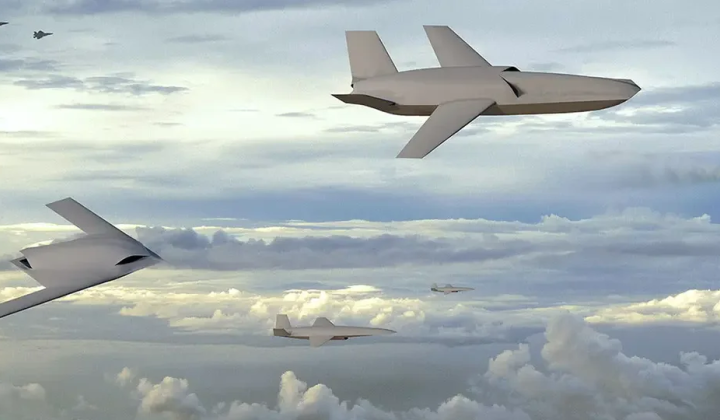
Introducing the NextGen Hybrid-Electric Recon Drone
According to НВ — Техно: General Atomics, a leading American defense contractor, is advancing a new flying wing reconnaissance drone known as NextGen, featuring a hybrid-electric propulsion system. This innovative engine design enables the drone to remain airborne for more than two full days, marking a significant breakthrough in unmanned aerial vehicle endurance. Designed for both intelligence gathering and strike missions, NextGen emphasizes versatility in modern military operations.
The Modular Gambit Drone Family
The NextGen drone builds upon the modular Gambit series, which includes six new UAV models sharing common components such as chassis and avionics. Among these is the Gambit 6, a variant adapted from the Gambit 2 (FQ-42A) for ground-based roles. Notably, Gambit 6 incorporates internal weapons bays that reduce its radar signature, enhancing survivability and stealth during combat missions.
General Atomics aims to demonstrate both the NextGen drone and the Gambit 6 variant in operational trials before 2027. This timeline highlights the company’s commitment to pushing forward UAV technology. Previously, the U.S. Navy successfully tested the MQ-9B SeaGuardian, capable of flying at altitudes up to 12,000 meters for 30 hours. Developed by General Atomics Aeronautical Systems (GA-ASI), the SeaGuardian serves as a maritime adaptation of the MQ-9B drone and currently supports the U.S. Navy’s 7th Fleet under an active contract. These achievements underscore the growing strategic importance of unmanned systems in defense.
The development of NextGen and related platforms reflects the increasing reliance on unmanned technology within military strategies, providing enhanced operational capabilities while minimizing personnel risk. As modern conflicts evolve, armed forces worldwide are prioritizing investments in advanced UAVs like Gambit 6 to maintain national security. With continuous innovation, drones are set to play an even greater role in future military engagements.
As the military landscape evolves, advancements in drone technology are becoming increasingly critical. The recent tests of the TRV-150 drone equipped with laser-guided missiles by BAE Systems and SURVICE Engineering highlight the ongoing efforts to enhance UAV capabilities for interception missions. This development complements the NextGen drone's hybrid-electric engine, showcasing the diverse applications of unmanned aerial systems in modern warfare.

Read also