The 2026 HR Agenda: Why Continuous Employee Recognition Will Reshape Business

Employee Recognition in 2026: A Strategic Imperative
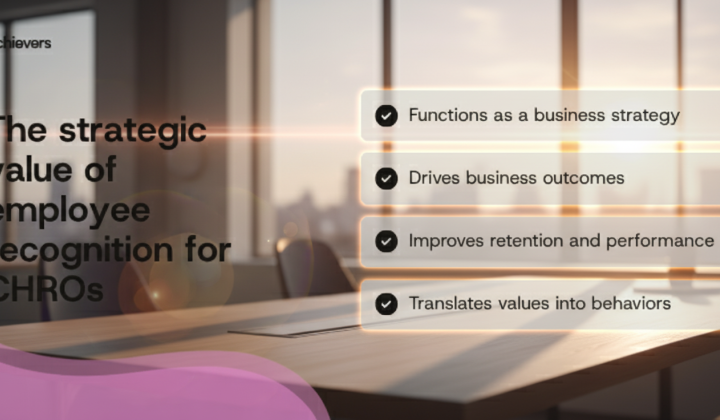
According to Achievers: By 2026, employee recognition will be a critical strategic priority for Chief Human Resources Officers (CHROs), directly impacting engagement, retention, and corporate culture. A key trend is the shift from sporadic, event-based recognition to a model of continuous appreciation, which helps build more agile and resilient organizations. To gauge success, experts advise tracking specific, relevant metrics. This evolution reflects a broader move towards human-centric workplaces where feedback is constant and integrated.
Data from the 'Engagement and Retention Report' reveals powerful correlations: employees who feel valued and engaged are 17 times more likely to feel connected to colleagues, 41 times more likely to feel connected to their manager, and 56 times more likely to connect with company values. These figures underscore recognition's fundamental role in fostering a positive work environment. Organizations that consistently recognize their staff report lower voluntary turnover, stronger engagement, and better overall performance.
Modernizing Recognition Models
Outdated recognition models, such as annual awards, are proving ineffective. They often arrive too late, and recognition that flows only from managers creates bottlenecks. Tenure-based awards celebrate time served rather than value created. Consequently, the focus is shifting towards frequent, embedded recognition-occurring weekly or in real-time and woven into daily workflows. Employees no longer need to wait for permission to be recognized, which significantly boosts their motivation and sense of agency.
However, common pitfalls with recognition programs persist. These include:
- Low participation rates
- Bottlenecks caused by manager-only systems
- Perceptions of unfairness
- 'Set-and-forget' programs lacking ongoing support
- An excessive focus on monetary rewards alone
To demonstrate the tangible business impact of recognition, organizations must measure participation and adoption rates, the frequency and distribution of recognition, trends in engagement and retention, and key sentiment and connection metrics. This data is essential for refining recognition strategies and enhancing their effectiveness.
In summary, effective employee recognition does more than boost motivation; it cultivates a positive corporate culture that directly influences organizational performance. The gradual transition to more flexible and frequent forms of recognition can be a key driver in reducing staff turnover and increasing employee satisfaction-vital goals for any modern company. Defining and analyzing recognition-related metrics will allow organizations not only to adapt their strategies but also to ensure sustainable growth in a competitive landscape.
As organizations transition towards continuous recognition models, understanding the tangible benefits becomes essential. Recent studies highlight that implementing regular acknowledgment can lead to significant productivity increases, making it clear why businesses should prioritize these strategies. For a deeper insight into how weekly recognition can enhance employee performance by as much as 160%, explore our article on boosting productivity through consistent employee recognition.

Read also