Over Half a Million HR Professionals Certified by HRCI; Alternatives Emphasize Practical Skills and Regional Credentials

Comprehensive Look at HR Certification Programs
According to AIHR: Established in 1973, the Human Resource Certification Institute (HRCI) stands as a leading authority in certifying HR professionals worldwide. Since administering its inaugural exams in 1976, HRCI has awarded certifications to more than 500,000 individuals across over 150 countries. The organization offers a suite of eight certifications-including aPHR, PHR, SPHR, GPHR, PHRi, SPHRi, and PHRca-with seven of these programs accredited by the National Commission for Certifying Agencies (NCCA), highlighting their recognized quality and rigor.
HRCI credentials remain valid for three years, requiring certified professionals to earn 60 recertification credits (45 for aPHR) to maintain their status. Impressively, over 95% of Fortune 500 companies employ HR staff holding HRCI certifications, demonstrating the institute’s strong industry reputation. To support ongoing professional development, HRCI also provides access to more than 220 courses through its Learning Center, enabling HR experts to continually update their knowledge and skills.
Alternative Certification Bodies and Their Offerings
While HRCI is a prominent player, several other organizations provide respected HR certifications tailored to different needs. The Academy to Innovate HR (AIHR) delivers over 16 certification programs alongside 85 courses focused on developing hands-on HR capabilities. With a global community exceeding 85,000 members and graduates in more than 180 countries, AIHR boasts a 96% satisfaction rate. Their curriculum is built around the T-Shaped HR Competency Model and follows a Tell-Show-Do-Apply approach, granting learners 12 months of access to materials, mobile app support, a resource library, and coaching.
The Society for Human Resource Management (SHRM) serves approximately 340,000 members worldwide with over 575 local chapters. SHRM offers two key certifications-SHRM-CP and SHRM-SCP-based on the SHRM Body of Applied Skills and Knowledge (BASK). Annual professional membership costs $299, with a 15% discount available for three-year payments. Exam fees for SHRM-CP range from $420 (early registration for members) to $495 standard, while SHRM-SCP exams are priced about $100 higher.
The Chartered Institute of Personnel and Development (CIPD), founded in 1913, supports more than 160,000 members across 130+ countries. CIPD’s qualifications span three levels: Level 3 (Foundation Certificate), Level 5 (Associate Diploma), and Level 7 (Advanced Diploma), with course fees ranging from £1,300 to £7,000 based on the level. Annual membership starts at £142, plus a £40 joining fee.
In Canada, the Human Resources Professionals Association (HRPA) operates as a regulated body in Ontario, offering three certification tiers: CHRP, CHRL, and CHRE. It serves over 24,000 members, with an annual fee of $667.34 for Ontario practitioners. Exam costs fall between $300 and $400 depending on the certification.
CPHR Canada coordinates HR certification across nine provinces and three territories, with a membership exceeding 31,000. Their certification process includes a two-step pathway: the National Knowledge Exam followed by Validation of Experience, with fees varying accordingly.
The Association for Talent Development (ATD) provides APTD and CPTD certifications, alongside 37 in-person certification courses. Membership is priced at $299 yearly, while exam fees are $525 for APTD and $1,099 for CPTD for members.
WorldatWork, established in 1955, counts over 70,000 members in 168 countries and specializes in compensation and benefits certifications such as CCP, CBP, GRP, and CECP. Initial membership costs $360 with discounts available for multi-year commitments.
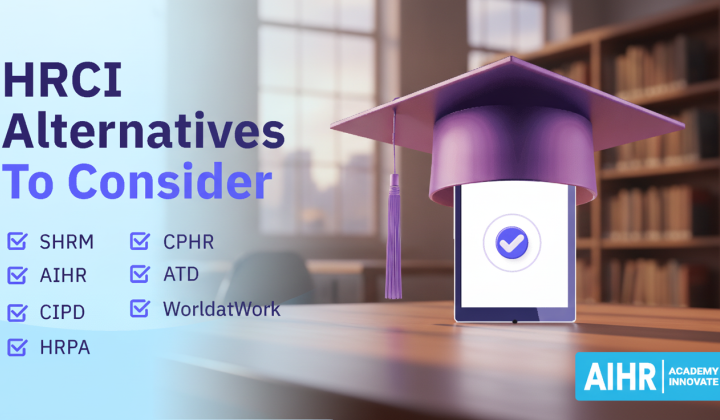
Collectively, HRCI and these alternative organizations-AIHR, SHRM, CIPD, HRPA, CPHR, ATD, and WorldatWork-offer a diverse range of certifications and educational programs designed to meet the varying demands of HR professionals worldwide. Key advantages of these alternatives include:
- Emphasis on practical, applicable skills (AIHR)
- Strong focus on competencies and professional membership (SHRM)
- Region-specific relevance and recognition (CIPD, HRPA, CPHR)
- Specialized areas of expertise (ATD, WorldatWork)
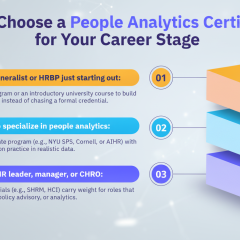
In an increasingly competitive job market, HR certifications play a critical role in enhancing professional credentials and career prospects. Selecting the certification that aligns best with one’s career goals and regional work context can significantly influence advancement opportunities. With a wide array of programs available, HR practitioners have the flexibility to choose paths that best match their ambitions and the specific requirements of their local markets.
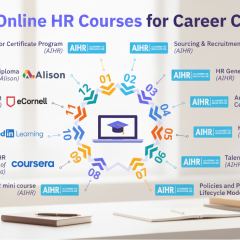
As the demand for skilled HR professionals continues to rise, understanding the various certification options is crucial. For those looking to enhance their qualifications, exploring popular HR courses for beginners can provide valuable insights into practical skills, pricing, and certification paths that complement the offerings from HRCI and other organizations.

Read also