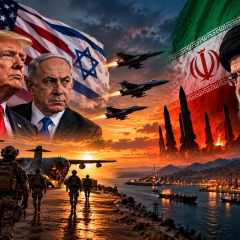
Iran's Military Modernization Draws on Ukraine War Lessons Amid Stalled Nuclear Talks

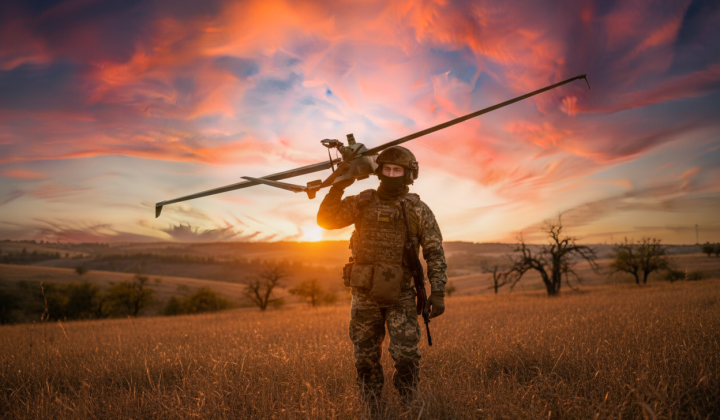
Iran Studies Ukraine's Battlefield Experience
According to Главком: Iran is examining the combat experience of the war in Ukraine to inform a major overhaul of its own military forces. This process coincides with active nuclear negotiations with the United States, which, according to Iranian Parliament Speaker Mohammad Bagher Ghalibaf, remain far from conclusion. He noted that despite some progress on certain issues, a final agreement should not be expected in the near term.
Iran's military commander, Hossein Dadwand, who oversees personnel training, states that the Ukraine conflict has underscored the critical importance of two key areas: the mass deployment of low-cost drones and the integration of artificial intelligence technologies. This analysis highlights several priorities for Iran's military modernization, including:
- Large-scale use of inexpensive unmanned aerial vehicles (drones);
- Implementation of artificial intelligence systems;
- Enhanced operational mobility;
- A greater emphasis on cyber warfare operations.
Debated Priorities and Acknowledged Vulnerabilities
Within Iran, debated priorities for rearmament include advancing drone systems, acquiring modern aircraft, and upgrading obsolete infrastructure. Concurrently, Iranian officials acknowledge internal vulnerabilities, such as deficiencies in strategic planning, a shortage of skilled personnel, and the pressing need to modernize aging military hardware.
In the context of the Tehran-Washington negotiations, former U.S. President Donald Trump previously claimed:
"Iran agreed to everything during the talks, including working jointly to ship enriched uranium out of the country and deliver it to the United States." - Donald Trump
However, Iranian officials have refuted these statements, emphasizing that they have no plans to dispose of their stockpiles of enriched uranium. They have also stated that Iran will not accept exceptional restrictions that contravene international law, with uranium enrichment remaining a core point of contention. The ongoing talks are a critical diplomatic effort to address global concerns over Iran's nuclear program.
Iran's drive to modernize its military by applying lessons from the Ukrainian war suggests a determined effort to bolster its defensive capabilities amid external pressure and international sanctions. The parallel, protracted negotiations with the U.S. highlight the complex balance between Iran's military ambitions and its international obligations, a dynamic that could significantly influence regional stability. The outcome of these nuclear talks holds the potential to reshape the geopolitical landscape of the Middle East.
As Iran embarks on its military modernization, the implications of its evolving capabilities are becoming more pronounced. This development raises concerns, particularly in light of recent assessments regarding Iran's swift recovery of missile facilities after attacks. For a deeper understanding of these strategic enhancements and their potential impact on regional stability, read more about Iran's rapid recovery of missile sites.

Read also