U.S. Pressure and Domestic Unrest Prompt Iran's Supreme Leader to Authorize Nuclear Talks

Iran's Nuclear Negotiations
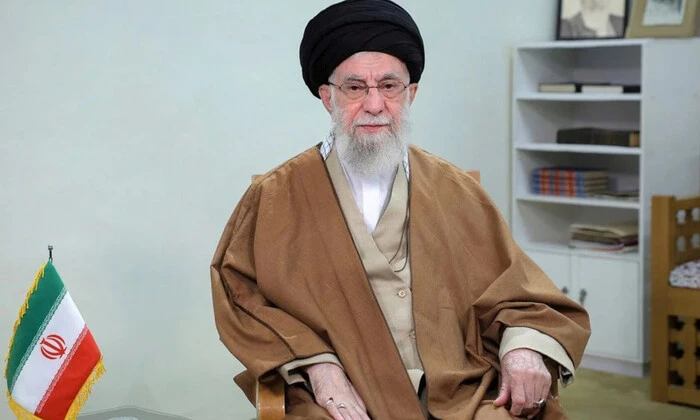
According to Главком: Facing intense U.S. pressure and significant domestic turmoil, Iran's Supreme Leader Ayatollah Ali Khamenei has authorized the resumption of nuclear negotiations. This critical decision follows widespread January protests, which activists report resulted in over 6,700 deaths and the arrest of tens of thousands. The unrest, fueled in part by the rial's plunge to record lows, saw hundreds of thousands take to the streets in a powerful display of public discontent.
Khamenei, 86, has held power for 36 years. The Islamic Revolutionary Guard Corps (IRGC) remains the dominant political and economic force within the country. Alongside these internal challenges, Iran is confronting heightened external pressure as the United States bolsters its military footprint in the region. The Pentagon is deploying additional THAAD and Patriot air defense system batteries to bases in:
- Jordan
- Kuwait
- Bahrain
- Saudi Arabia
- Qatar
Furthermore, the U.S. has moved the USS Abraham Lincoln carrier strike group to the region and positioned F-35 and F-15E fighter jets closer to potential conflict zones. This military posture is a key element of Washington's strategy to counter Iranian influence.
Nuclear Site Restoration and Diplomatic Moves
Simultaneously, Iran is repairing damaged nuclear facilities at sites like Natanz and Isfahan, which suffered losses during a 12-day conflict with Israel last June. Natanz is a principal uranium enrichment center for the nation's program. Preparations for nuclear talks are underway in Oman, signaling a potential diplomatic avenue to ease the current tensions.
The present situation in Iran stems from a confluence of internal dissent and external threats, compelling Khamenei to make concessions on nuclear policy. These negotiations represent a pivotal opportunity to de-escalate regional instability, though their success hinges on the willingness of all parties to compromise. Given Iran's complex constraints, the international community will be closely monitoring these developments.

Read also