Iran's Five-Decade Strategy: How Tehran Prepared for a Potential Clash with the U.S.

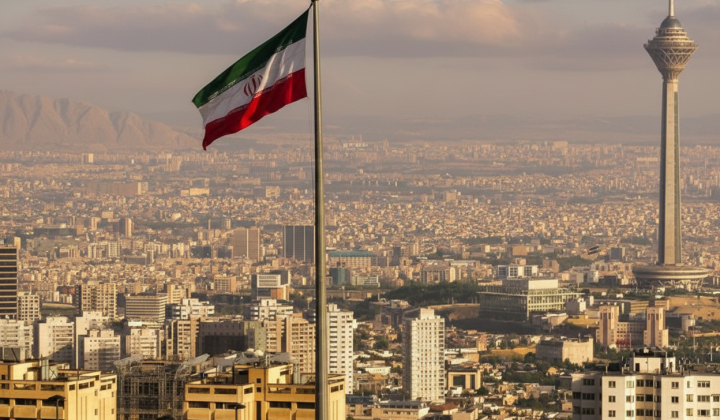
Iran's Long-Term Strategy for a U.S. Confrontation
According to Главком: For nearly fifty years, Iran has systematically developed a comprehensive strategy to counter the United States, building up its military capabilities and cultivating a network of regional allies. This long-term plan involves stockpiling thousands of ballistic missiles and drones, many of which remain from attacks last summer, and actively enhancing its naval infrastructure. In a demonstration of its reach, Iranian forces have previously targeted Qatar's Al Udeid Air Base following strikes on its own nuclear facilities.
Amid escalating tensions, over 40,000 American military personnel are currently stationed at eight or nine facilities within potential strike range. A central Iranian objective is to control the Strait of Hormuz, a vital maritime chokepoint through which more than 20% of the world's oil and a significant portion of its liquefied natural gas flows. Iran's military doctrine includes establishing a network of covert underground naval bases along its coastline, which would substantially boost its operational capacity for regional warfare.
Iran's Military Arsenal and Regional Threats
Iran possesses a sophisticated arsenal specifically designed to threaten the Strait of Hormuz, including:
- Hundreds of fast-attack craft;
- A domestic fleet of submarines;
- Naval mines;
- Unmanned aerial vehicles (drones).
Furthermore, Iran's proxy network extends its influence across the Middle East, encompassing groups such as Iraq's Kata'ib Hezbollah and Harakat al-Nujaba, Lebanon's Hezbollah, and Yemen's Houthis, providing Tehran with additional leverage and deniable operational options.
In response, U.S. military planners have prepared several contingency plans for potential strikes against Iran, including targeted operations against individuals linked to the leadership of the Islamic Revolutionary Guard Corps. This ongoing standoff underscores the severe risk of miscalculation and highlights the urgent need for international diplomatic engagement to prevent a regional conflagration.
The persistent tension between Iran and the United States continues to pose a significant threat to regional stability. Any major disruption to the flow of energy through the Strait of Hormuz would have immediate and severe repercussions for global markets. Consequently, the international community faces mounting pressure to facilitate de-escalation and find pathways to avert an open conflict that would have far-reaching consequences.

Read also