Roman Inscription from Emperor Trajan’s Era Unearthed on Bulgaria’s Black Sea Coast

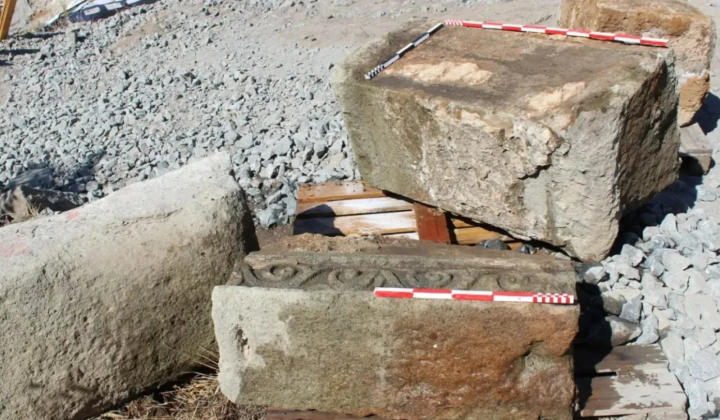
Roman Inscription Dating Back to Emperor Trajan Discovered on the Black Sea Coast
According to НВ — Техно: Archaeologists working near Burgas, Bulgaria, at the ancient site of Aqua Calida have uncovered a Roman inscription dating from the early reign of Emperor Trajan (98-117 AD). This find enriches the body of evidence illustrating the development of the settlement, its mineral springs, and bathing facilities during Roman times. The excavation is led by Associate Professor Dimcho Momchilov and is conducted under the auspices of the Burgas Regional Historical Museum, with funding from the Burgas municipality.
Located in the historic region of Thrace, Aqua Calida was a significant hub for bathing, religious worship, and social gatherings. The Roman period of this site extended across the first two centuries AD. During Trajan’s rule, construction of public baths and roads in Thrace was actively pursued. Over the past decade, several Latin inscriptions from the 1st and 2nd centuries AD have been discovered at Aqua Calida. Notably, a 2015 discovery revealed an inscription from Emperor Nero’s era (54-68 AD), confirming that bath complexes were already being constructed here during the 1st century AD.
The Importance of These Archaeological Discoveries
The thermal springs, utilized during the Roman era, continued to be in use through late antiquity and the medieval period. Excavations have revealed remains of ancient bathing complexes alongside Byzantine and medieval structures, highlighting the site’s long-term cultural significance. The ongoing archaeological work at Aqua Calida underscores its importance as a key historical location.
In addition to the Roman findings, a 14th-century gold signet ring bearing the name “Sevastia Maria Skulena” was discovered near Zlatograd. The ring features a flat oval surface engraved with the name and title and is small enough to suggest it was worn on a pinky finger, likely by an adult woman.
These artifacts collectively emphasize the historical prominence of Aqua Calida and its role in the broader narrative of Roman civilization’s expansion and influence in the region.
The discovery of the Roman inscription at Aqua Calida significantly advances our understanding of the Roman period in Bulgaria. It highlights the region’s emergence as a vital cultural and social center in antiquity. Such finds not only shed light on local history but also contribute to a wider comprehension of Roman imperial infrastructure development and social customs.

Read also