Iran's Global Disinformation Campaign: How It Targets the US and Israel

Iran's Information Warfare Strategy
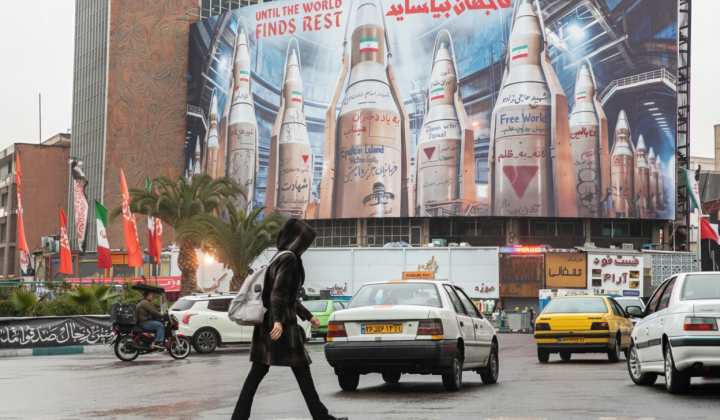
According to Главком: Iran is conducting a global information war against the United States and Israel, deploying state media and social networks to spread propaganda and disinformation. These campaigns are amplified by Russia and China, which synchronize their messaging to echo Tehran's narratives. Researchers have uncovered coordinated networks of accounts disseminating pro-Iranian content in multiple languages, revealing a sophisticated operation designed to sway international public opinion. This strategy represents a modern front in Iran's long-standing geopolitical rivalry with the West.
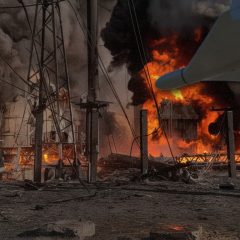
Iranian state media and affiliated networks actively circulate propaganda, exaggerated narratives, and fabricated materials. One example is a video falsely depicting a missile strike on New York's Liberty Island. These materials also aim to discredit former U.S. President Donald Trump. A significant portion of this content is generated using artificial intelligence. The disinformation is spread across platforms including X, TikTok, Instagram, Facebook, and Bluesky.
Coordinated Campaigns and Their Global Impact
Iran wields information warfare as a tool of influence, comparable in its potential impact to its ability to threaten the closure of the Strait of Hormuz and disrupt global energy markets. These operations gain further traction through synchronized support from Russian and Chinese state media. Analysts at Graphika have documented how media outlets from these countries simultaneously replicate Tehran's talking points, confirming the coordinated nature of these campaigns.
Researchers identified at least 62 coordinated accounts spreading pro-Iranian content while posing as users from Texas, California, Venezuela, Chile, England, Scotland, and Ireland. These accounts frequently copied or quoted posts from well-known Western influencers like Jackson Hinkle and Mario Nawfal. For instance, after an interview by Tucker Carlson with Joe Kent, a clip was first published by the Russian channel RT and then simultaneously disseminated by dozens of these accounts.
According to data from Cyabra, pro-Iranian content amassed over 145 million views in just the first two weeks of the conflict, with 72% of those views coming from TikTok. The campaign shows clear signs of coordination, featuring repeated messages, identical hashtags, and synchronized spikes in activity.
“They are winning the propaganda war.” - expert Darren Linvill
The international spread of pro-Iranian content underscores the growing significance of information technology in modern geopolitics. These coordinated campaigns, bolstered by state structures of other nations, present new challenges to global information security. Given the analysts' findings, the importance of monitoring and countering such information attacks is becoming increasingly critical for nations seeking to protect their national interests and informational space.
As Iran continues to deploy sophisticated information warfare tactics, it's crucial to understand how its opposition navigates the challenges posed by state-imposed internet blackouts. These efforts to share vital information are essential in countering the disinformation spread by Iranian media. For a deeper insight into these resilience strategies, explore how Iran's opposition manages to communicate under restrictions.

Read also