Iran Rejects US-Brokered Ceasefire Deal, Keeping Strait of Hormuz Closed

Iran's Rejection of the Peace Proposal
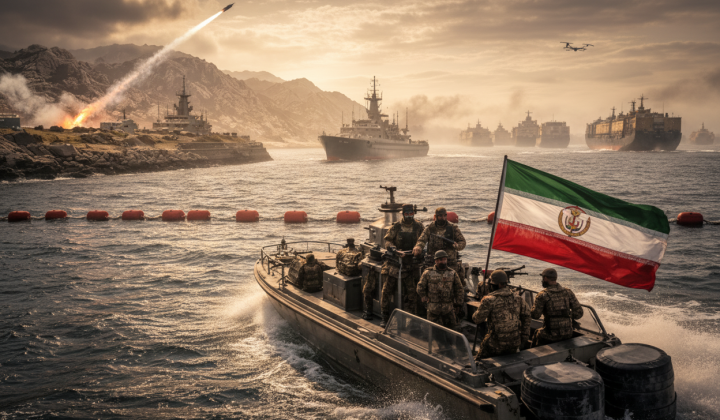
According to Главком: Iran has turned down a proposed temporary ceasefire that would have involved reopening the Strait of Hormuz. The framework for this peace plan was presented to both Iran and the United States by Pakistan, which acted as an intermediary in the early hours of Monday, April 6. The proposed terms included an immediate halt to hostilities, the opening of the Strait of Hormuz, and the signing of a comprehensive peace agreement within 15 to 20 days.
Iranian Parliament Speaker, Mohammad Bagher Ghalibaf, confirmed the country's refusal, stating that Tehran would not accept any deadlines or pressure to finalize a deal, underscoring its firm negotiating stance. The Strait of Hormuz is a critical global chokepoint for maritime oil shipments, making stability in this region a matter of worldwide economic concern. This strategic waterway sees the transit of a significant portion of the world's seaborne oil.
Potential Consequences of the Refusal
It remains unclear what steps might follow in the peace process, as this rejection could lead to a further escalation of regional conflict. The decision highlights Iran's intent to maintain its independence in negotiations and underscores the vital importance of the Strait of Hormuz to its economic and strategic interests.
This move could have serious implications for regional stability, as a continued standoff threatens to disrupt global oil markets and strain international relations. The situation is being closely monitored by governments and energy markets around the world.
The recent refusal by Iran to accept a ceasefire proposal reflects a broader trend in its diplomatic stance, as evidenced by its earlier rejection of mediation efforts from Turkey and Egypt. This ongoing reluctance to engage in direct talks with the U.S. further complicates the situation in the region. For a deeper understanding of Iran's diplomatic posture and its implications for future negotiations, you can read more about the country's stance on international mediation.

Read also