Will Israel's Air Defense Stockpiles Survive Iran's War of Attrition?

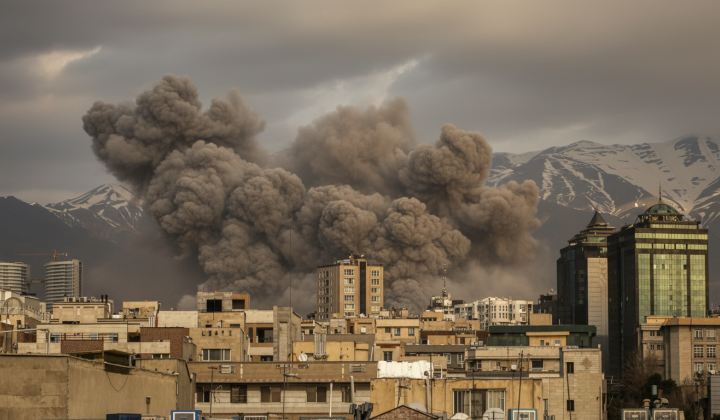
The Strain on Israeli and U.S. Air Defenses
According to ХВИЛЯ: Analysts Amos Fox and Franz-Stefan Gady warn that Israel and the United States risk depleting their stocks of missile interceptors in a prolonged conflict with Iran, which is waging a deliberate war of attrition. The situation is becoming critical as Iran actively expands its military capabilities, posing a significant threat to regional security. This scenario highlights the high cost of modern missile defense in a sustained conflict.
Amos Fox, a professor with Arizona State University's Future Security Initiative, and Franz-Stefan Gady, a research fellow at the International Institute for Strategic Studies (IISS), detail that in June 2025, Iran launched 631 missiles, with approximately 500 reaching Israeli airspace. While Israel claimed an 86% interception rate, its stockpiles of Arrow 3 interceptors were drawn down to critically low levels during this engagement.
Assessing the Current Conflict
Experts point out that in the first 48 hours of the current war, Iran fired over 1,200 missiles and drones. This demonstrates a remarkable intensity of military action from Iran, endangering not only Israel but also the United States and its regional allies. The sheer volume of attacks is designed to overwhelm sophisticated but finite defensive systems.
“Israel, the U.S., and their regional allies have clocks. But time is on Iran’s side.” - Amos Fox and Franz-Stefan Gady
The regional situation remains tense, and the future actions of the conflict's participants could have serious consequences for international security. Observers are urged to monitor developments closely, as the depletion of air defense inventories could significantly increase risks for Israel and its partners.
This conflict reflects the escalating geopolitical tensions in the Middle East and underscores the vital importance of maintaining robust air defense systems for Israel and its allies. Exhausting interceptor stocks would degrade their ability to respond to potential threats, which could, in turn, impact the strategic balance in the region. Monitoring the evolution of events and Iran's subsequent military actions remains critically important for ensuring stability and security in this volatile area.

Read also