Iranian Opposition Figure Dismisses Dialogue with Regime as Futile

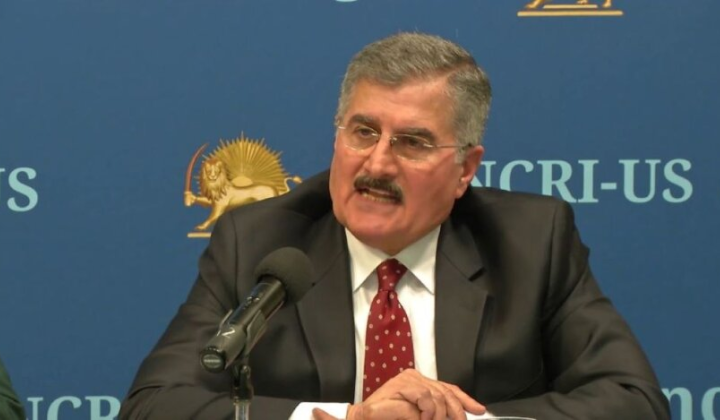
Ali Safavi's Stance on Engaging with Iran's Government
According to ХВИЛЯ: In an interview for The Telegraph's 'Iran the latest' podcast, Ali Safavi, a member of the National Council of Resistance of Iran (NCRI), argued that pursuing dialogue with the Iranian regime is a pointless illusion. He emphasized that meaningful change can only come from internal shifts within Iran, not from attempts at external engagement or appeasement. This perspective comes as Western governments continue to debate strategies for addressing Iran's nuclear program and regional activities.
Safavi, representing the NCRI, cited historical examples to support his view. He stated that the solution to the Iranian crisis is not war, but a change of regime driven by the Iranian people and an organized opposition. He specifically quoted resistance leader Maryam Rajavi, who stressed that
“the solution to the Iranian crisis is neither interaction nor appeasement.”
Historical Precedents
Safavi pointed to the presidencies of two Iranian leaders from recent decades as evidence for his argument:
- Mohammad Khatami, who served as president in the 1990s;
- Hassan Rouhani, who continued Khatami's policies.
While these two politicians had distinct approaches to international relations, Safavi contends their efforts failed to produce any fundamental change in the regime's behavior or its relations with the West.
During the discussion, Safavi also referenced a U.S. State Department offer of a $10 million reward for information on Ali Larijani, the Secretary of Iran's Supreme National Security Council at the time. This offer underscores the deep-seated tensions and mistrust characterizing Iran's relationship with Western powers.
Therefore, Ali Safavi's position on dialogue with Tehran is unequivocal. He believes genuine transformation can only arise from within, through the active efforts of the Iranian people and their opposition. His comments highlight the perceived deadlock facing Iranians and the critical role he assigns to the opposition in achieving change. In the context of ongoing international diplomacy, his view that dialogue is futile without internal reform could influence future foreign policy strategies toward Iran.
In light of Safavi's assertions regarding the futility of dialogue, it is essential to consider alternative perspectives on regime change in Iran. For instance, a former Ukrainian ambassador has recently outlined a compelling vision for internal upheaval as a means to achieve lasting transformation in the country. This approach reinforces the notion that true change is rooted in the actions of the Iranian populace. To explore this perspective further, read more about the proposed strategies for regime change in Iran here.

Read also