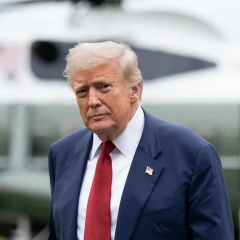
Trump Demands NATO Allies Raise Defense Spending to 3.5% of GDP

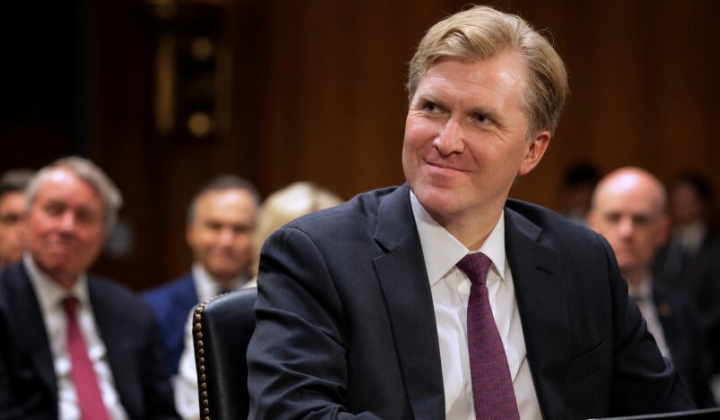
According to ХВИЛЯ: In a July 23, 2026, interview with The New York Times, Elbridge Colby-the U.S. Deputy Secretary of Defense for Policy-outlined the Trump administration’s stance on reshaping NATO, boosting allied defense budgets, the war in Ukraine, and strategies to deter China and Iran. Colby emphasized that the U.S. is pursuing a $1.5 trillion defense budget request and championed the concept of 'NATO 3.0' to ensure the alliance’s effectiveness and survival. The interview comes amid heightened transatlantic debates over burden-sharing and the future of collective security.
Spending Targets and the Ukraine Conflict
Colby noted that President Trump has set a new benchmark of 3.5% of GDP for NATO members.
“Is it cruel to ask Germans, Japanese, or French to spend as much as Americans do? I don't see it as cruelty. I see it as fairness,” he stated.
He also recalled that at the end of the Cold War in 1988, West Germany fielded 12 regular divisions-a stark contrast to today’s reduced capabilities.
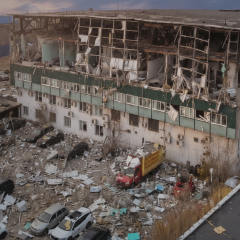
On Ukraine, Colby observed that the country has been defending itself for four years. He confirmed direct U.S.-Russia talks have taken place, adding:
“If I were in the Kremlin, I’d advise that now is a good time to end this conflict. You have President Trump-a leader genuinely committed to peace. Let’s be rational. Let’s make a deal.”
Colby personally authorized ammunition deliveries to Ukraine, underscoring active U.S. support in the conflict.
Deterrence and Alliance Reform
Beyond Ukraine, Colby discussed efforts to contain China and Iran, stressing the importance of a “coalition of the willing” to achieve defense goals. He argued that “President Trump and the approach we are now taking is saving NATO-because that’s the only way the alliance will survive.” A key part of the strategy is enhancing allies’ military capabilities so that, as their economies grow, they gain “far more moral authority to lecture us.” The Trump administration’s push for greater allied responsibility and investment is set to have significant implications for global security, particularly in countering aggression from China and Iran.
In light of the ongoing discussions about NATO's future and defense spending, it's important to consider the broader implications of Trump's recent statements. For instance, during a NATO summit in Ankara, he remarked that the conflict in Ukraine does not directly concern the U.S., highlighting a shift in America's role in international security. To explore this perspective further, read about Trump's comments on the Ukraine war and what it means for NATO's unity.

Read also