What the Melos Tragedy Teaches Ukraine About Power and Alliances


The Ancient Melos Conflict and Its Modern Implications
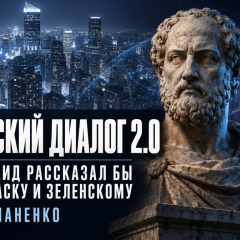
According to ХВИЛЯ: This piece explores a pivotal moment from over two millennia ago involving the island of Melos, drawing parallels to today’s geopolitical tensions between Ukraine, the United States, and Russia. The central perspective comes from historian Andrew Novo, who likens Athens’ imperialistic approach in classical Greece to current U.S. policies toward Ukraine. In October 2023, a series of statements and actions by American politicians and business figures raised concerns about the reliability of U.S. support for Ukraine.
More than 2,500 years ago, Athens arrived at Melos with a stark ultimatum: join their alliance or face annihilation. The islanders rejected this demand, calling it unjust. Athens responded with the now-infamous declaration:
“The strong do what they can, and the weak suffer what they must.”
This statement epitomized their harsh realpolitik. The aftermath was brutal-Melos was destroyed; its men slaughtered, women and children enslaved. Although Athens and Sparta were officially at peace, Athens’ ruthless actions revealed a clear intent to assert dominance.
The Sicilian Expedition: A Cautionary Tale for Today
Following Melos’ destruction, Thucydides recounts the ill-fated Sicilian Expedition, spearheaded by the ambitious and wealthy Alcibiades. The campaign ended disastrously: fleets and armies were lost, and Athens’ allies deserted. Within a decade, the Athenian empire collapsed. Historian Andrew Novo describes the fall of Syracuse as "the first of four nails in the coffin of Athenian democracy." This historical collapse offers a warning about overreach and miscalculated military ventures.
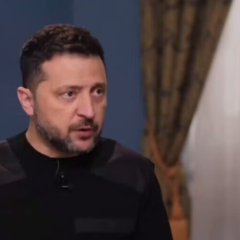
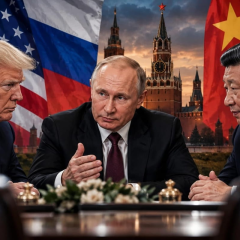
In October 2023, former U.S. President Donald Trump labeled Ukrainian President Volodymyr Zelensky a “warmonger” and called for his replacement, suggesting it might be time for new negotiators. Tech entrepreneur Elon Musk echoed this sentiment, stating "Zelensky’s time is up." Meanwhile, Kyiv accused Russia of deliberately disrupting Starlink services, Washington lifted restrictions on Russian diesel imports, and the Pentagon delayed missile shipments already funded by Europe under the PURL program. Intelligence sharing between the U.S. and Ukraine was also reduced, causing Ukraine to miss multiple warnings of Russian attacks. President Zelensky expressed feelings of betrayal amid these developments.
Sparta, much like the United States today, feared losing the trust of its allies-especially Corinth, which lacked naval power and was therefore vulnerable. Major powers rely heavily on the confidence of their partners. U.S. allies such as Tokyo, Seoul, Manila, and Taipei are closely monitoring Washington’s stance on Ukraine. Athens treated its allies as mere resources, turning the Delian League into an empire enforced by coercion. History shows, as philosopher Thomas Hobbes noted, that even the weakest can defeat the strongest if they secure the right alliances or employ cunning strategies.
Modern Ukraine is far from the powerless Melos. It boasts one of Europe’s most capable armies, a domestic defense industry, and strong support from European nations, which are negotiating to provide Ukraine with Patriot missile systems and engaging in talks in Oslo. For the U.S., the lesson is clear: every Melos inevitably faces a Sicilian fate, and empires collapse not when the weak resist, but when the powerful become complacent and overconfident. Kyiv must recognize that justice must be backed by strength and broad coalitions, rather than relying solely on a single patron.
This analysis underscores the vital role history plays in shaping modern geopolitical strategies. The parallels between ancient events and current challenges demonstrate that decisions by great powers carry profound consequences for smaller nations. It is crucial for Ukraine to understand its strategic position and maintain readiness to cooperate with allies, as history repeatedly warns that indecision and dependency can lead to disastrous outcomes.
As the echoes of the Melos tragedy resonate in contemporary geopolitics, it is crucial to understand the historical lessons that can guide current strategies. Historian Andrew Novo emphasizes that the downfall of Melos serves as a stark reminder of the dangers of miscalculation and overreach. For those interested in a deeper analysis of how these ancient events relate to Ukraine's current situation, the fall of Melos offers valuable insights into the complexities of alliances and power dynamics.

Read also