EU Sanctions on Patriarch Kirill Blocked by Italy and Bulgaria

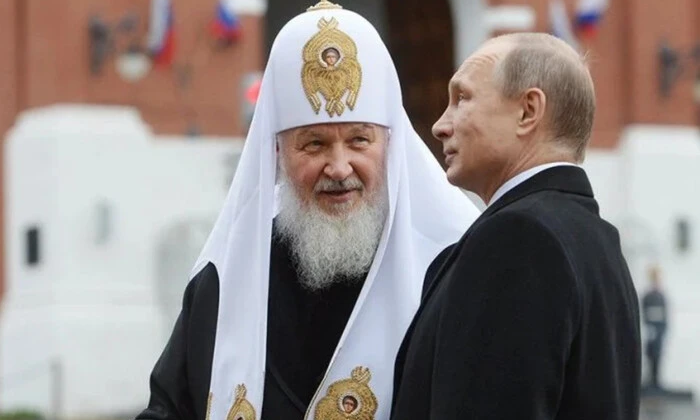
Italy and Bulgaria Object to Sanctions
According to Главком: Italy and Bulgaria have formally opposed adding Patriarch Kirill to the European Union's 21st sanctions package. The proposal to impose an EU entry ban on the patriarch was introduced by Estonian Prime Minister Kaja Kallas. Italy stated its official reservation through the Vatican, emphasizing the issue's significance for religious relations. Bulgaria, in turn, rejected the sanctions due to its large Orthodox Christian population.
Diplomatic Procedures and Concerns
Italy submitted its objection through a diplomatic mechanism and called for further discussion on the matter. The Italian permanent representation to the EU declined to comment on the situation. Meanwhile, Greece, Malta, and Cyprus opposed delaying the review of the price cap on Russian oil, currently set at $44 per barrel.
France and Italy have also raised concerns about a potential EU entry ban for former Russian combatants. The 21st sanctions package, presented by Kaja Kallas on June 9, targets Russia's military-industrial and financial sectors. This issue continues to be relevant in the context of international relations and EU sanctions policy.
The objections from Italy and Bulgaria highlight the challenge of balancing political decisions with religious interests within the EU.
Including Patriarch Kirill in the sanctions could have far-reaching consequences for religious relations in the region, given his influence over the Orthodox community. As EU member states continue debating this matter, it may lead to shifts in how sanctions policy is shaped and how it affects religious institutions.
As the situation evolves, it's essential to consider how these developments align with Bulgaria's recent actions regarding EU sanctions. The country's stance on the new sanctions package against Russia reflects its broader diplomatic strategy and the intricate balance it seeks to maintain between political and religious considerations. For more insights on Bulgaria's role in shaping EU sanctions, see Bulgaria's stance on the sanctions package.

Read also