Dating of the Noaillian Culture in Italy Extended by 2,000 Years with Discovery of Unique Hearth and Tools

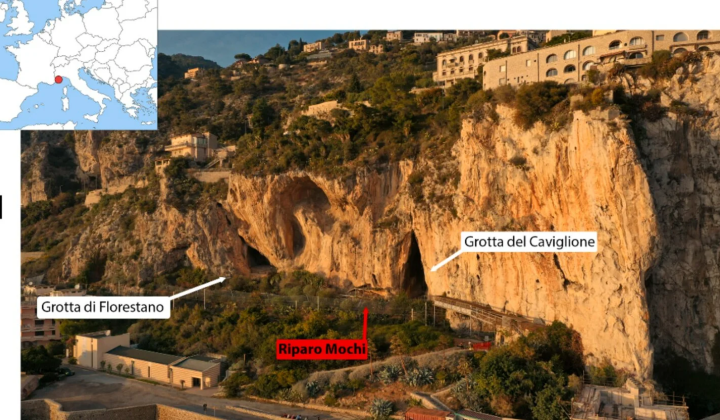
Ancient Finds Unearthed at Riparo Mochi
According to НВ — Техно: Recent archaeological work at Riparo Mochi, near the modern French-Italian border, has pushed back the arrival of the Noaillian culture in Italy by nearly 2,000 years. This evidence supports the idea that the culture spread from northern Spain and France into Italy. Excavations uncovered a remarkably preserved ancient hearth, alongside marine shells, grinding stones, and various tools, indicating significant human activity in the area.
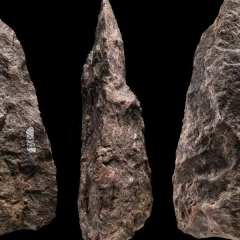
Originally excavated between 1938 and 1959, Riparo Mochi was already linked to the Noaillian culture, a Middle Gravettian group known for distinctive stone tools such as the Noaillian burin. Contemporary research employed advanced techniques including 3D spatial mapping and fine mesh soil sieving, revealing over 7,500 tiny stone artifacts around the hearth. Radiocarbon dating of the marine shells places the site at approximately 30,000 to 30,800 years ago.
The Cultural Impact and Migration Patterns of the Noaillian Culture
Findings indicate that the Noaillian culture arrived as a comprehensive behavioral system, rapidly replacing local traditions, which implies migration rather than mere cultural exchange. Microscopic analysis revealed that burins were used to cut soft animal tissues, while scrapers and wedges shaped spear shafts and split bones. Previous radiocarbon dates placed Noaillians in southern Italy between 31,000 and 30,000 years ago, while their presence at Riparo Mochi dates to around 28,000 years ago, making it the oldest known Noaillian settlement in Italy.
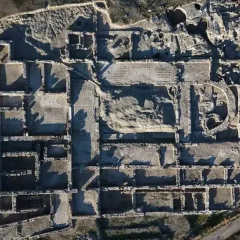
Additionally, in northern Italy’s Galgenbichl site located in Niederrasen, South Tyrol, archaeologists have uncovered remains of over 30 dwellings estimated to be about 2,500 years old. Excavations there have been ongoing since February 2023, ahead of new road construction linking Antholz and Olang. This settlement, dated between 800 and 500 BCE, represents the first large-scale systematic study of an Iron Age community in South Tyrol province.
These discoveries offer fresh insights into the complex history of human migration and cultural development in this region of Europe. Further analysis may shed light on how the Noaillian culture influenced local populations and interacted with contemporaneous cultures. Meanwhile, the Galgenbichl excavations highlight the significance of northern Italy in studying the Iron Age and the evolution of early settlements within the Italian peninsula.

Read also