Ivo Bobul's Sharp Rejoinder to Critic: 'He Is Dead to Me'

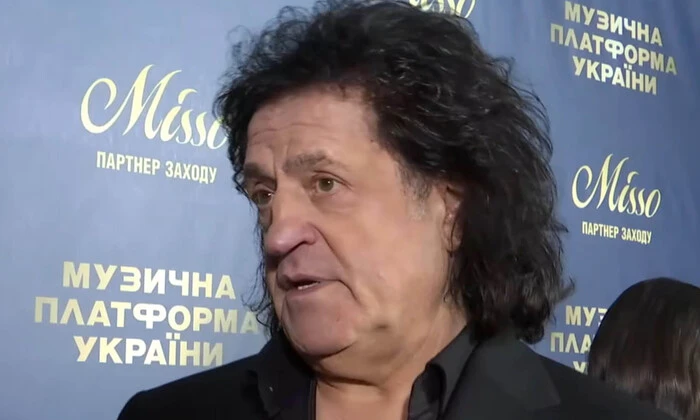
Ivo Bobul Fires Back at Critic Yevhen Rybchynskyi
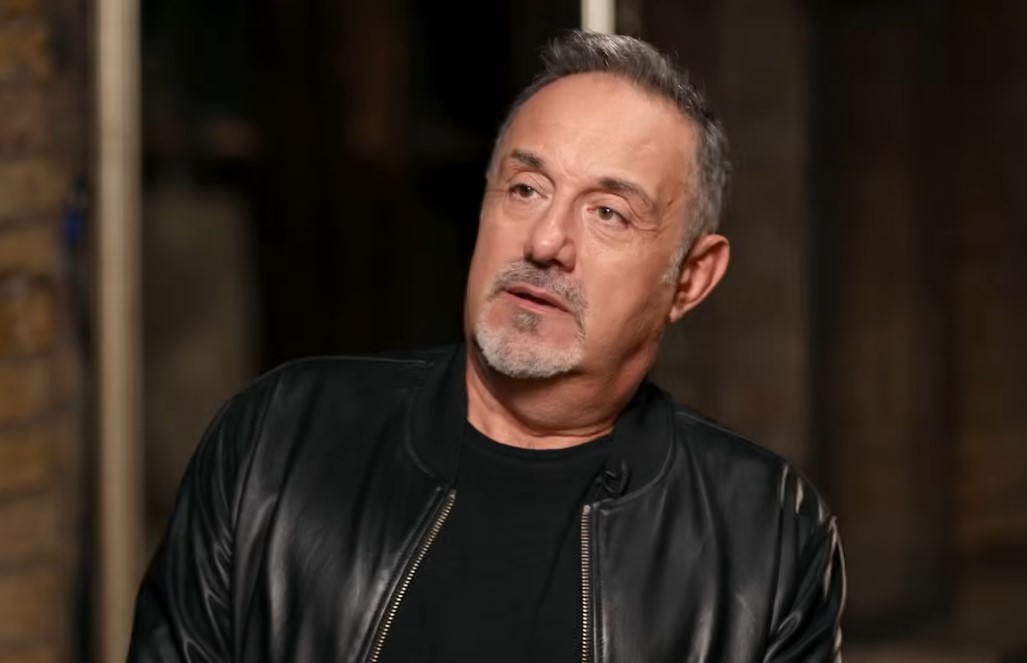
According to Главком: Ukrainian National Artist Ivo Bobul has issued a response to composer Yevhen Rybchynskyi, who had accused him of endorsing the actions of former President Viktor Yanukovych and supporting singers Ani Lorak and Taisia Povaliy, who now perform in Russia. Bobul stated he is not acquainted with Rybchynskyi, acknowledging only the work of his father, the poet and playwright Yurii Rybchynskyi.
Yevhen Rybchynskyi, known for writing songs for Taisia Povaliy, had criticized Bobul's comments regarding Lorak and Povaliy. In his rebuttal, Bobul explained that the singers were forced to leave Ukraine due to poor professional conditions. He emphasized his words came from a place of personal feeling, not a desire to cause offense.
“I spoke from the heart, about what pains me. And I really liked that interview. Yes, I was cursed and reviled, people wrote all sorts of vile things, but I do my work honestly and without insulting anyone,”
Ivo Bobul
Bobul also posed a pointed question: 'And who put her on a pedestal? Did I write songs for her, or did he?' This query challenges Rybchynskyi's role in Ani Lorak's career. Bobul confirmed he has no connection to the composer, remarking, 'Is he my father? Am I his son? He is simply dead to me. I don't know him and want to forget about him, even though I've known of him since childhood.'
Dismissing Rybchynskyi's stance, Bobul added, “I don't take offense from those who are offended. That's just nonsense! He has taken too much upon himself.” Through these statements, Bobul seeks to defend his position on sensitive issues concerning Ukrainian music and artists working abroad.
A Reflection of Broader Tensions in Ukrainian Show Business
This public dispute between two prominent Ukrainian artists highlights the complex and often fraught landscape of the country's entertainment industry, where political and cultural contexts deeply intertwine. The ongoing war has made the positions of artists who perform in Russia a particularly contentious issue.
Bobul's discussion of his personal feelings touches not only on his individual stance but also on wider social dilemmas that arise during periods of profound political and cultural upheaval in Ukraine.

Read also