Research Debunks Cannabis as a Treatment for Depression and Anxiety

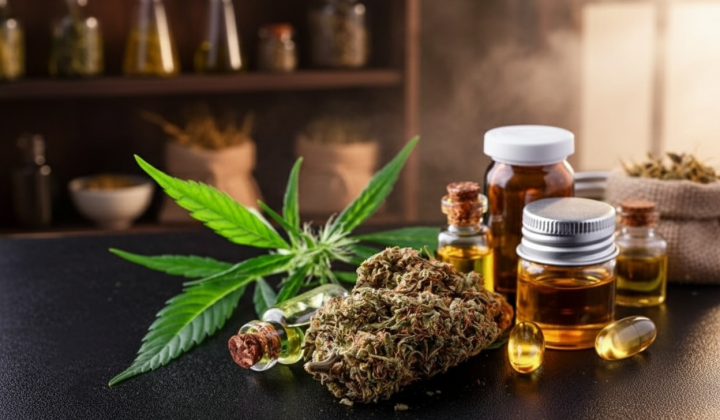
Examining Cannabis for Mental Health Disorders
According to Главком: A comprehensive analysis has found no evidence to support the use of medical or recreational cannabis in treating a range of mental health conditions. Despite its growing popularity for this purpose, cannabis use is linked to increased risks, particularly due to the rising potency of psychoactive compounds in modern products.
The review encompassed findings from 54 randomized controlled trials conducted between 1980 and 2025. It concluded that cannabis use showed no effectiveness in treating:
- Anxiety disorders
- Depression
- Post-traumatic stress disorder
Most of the studies focused on oral forms of cannabis, such as capsules, sprays, or oils. Furthermore, the research found no positive impact from cannabis on anorexia, bipolar disorder, obsessive-compulsive disorder, or psychotic conditions, including schizophrenia.
The Risks Associated with Cannabis Use
Approximately 27% of individuals aged 16 to 65 in the US and Canada have used cannabis medically to manage mental health conditions. However, regular use of high-potency cannabis is associated with an elevated risk of developing mental disorders, self-harm, and suicide attempts, especially among adolescents and young adults. This is a significant concern given the dramatic increase in THC concentration. In the 1970s, cannabis potency averaged around 4%, while today's average is 18-20%, with some products reaching 35% and concentrated forms containing up to 80% THC.
Deepak Cyril D'Souza notes: 'These two papers clearly show there is no basis to recommend cannabis or its derivatives for the treatment of mental disorders.'
For treating mental health disorders, proven methods such as antidepressants and cognitive-behavioral therapy already exist. Jack Wilson, one of the study's authors, summarizes: 'We found no evidence that any form of cannabis is effective for treating anxiety, depression, or PTSD, which are among the leading reasons it is prescribed.' In real-world settings, many people commonly use cannabis by smoking it, for which there is even less evidence of mental health benefits.
It is important to note that the rise in using cannabis to treat mental disorders is not supported by scientific evidence, which points to its ineffectiveness and potential harms. This study can serve as a foundation for further discussions on the safety and appropriateness of medical cannabis use, particularly in the context of its growing popularity among young people. Increased attention to scientific research in this field can help form more evidence-based guidelines for patients and healthcare providers.
While the recent study highlights the ineffectiveness of cannabis in managing mental health issues, it is essential to explore established treatment options. Understanding the differences between conditions like burnout and clinical depression can provide clarity for those seeking help. For insights into how antidepressants function and how to differentiate these mental health states, check out this informative article on distinguishing burnout from depression.

Read also