Capitalizing on Fear: How the Defense Industry Monetizes Anxiety

Bloomberg reports, citing a report by a Swedish parliamentary commission, that Russia might attempt to test NATO's resilience in the 'near future.' The argument is that the Russian navy, aviation, and long-range strike capabilities have reportedly retained a significant portion of their potential during the war.
However, behind this information storm lies not only the assessment of military risks. It also concerns hard corporate accounting and aggressive marketing of the European defense sector.
Fear as a Financial Asset
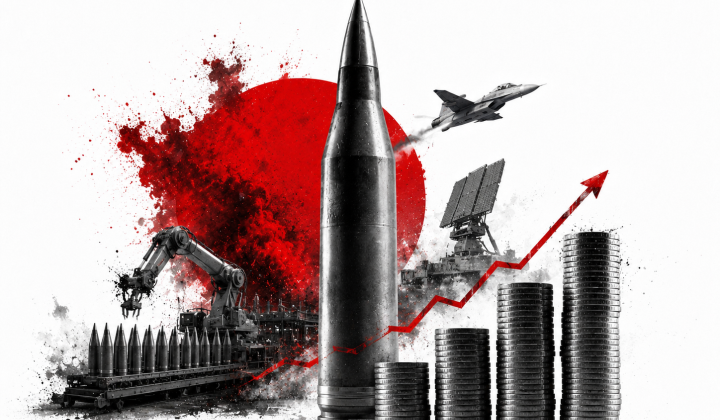
In the last two years, the operating profit of the largest defense corporations, including Rheinmetall, has surged. To maintain high capitalization, ensure the loading of production lines, and push through long-term government contracts, the defense industry requires a constant information backdrop of existential threat.
Without the specter of inevitable war, it will be harder for governments to explain to voters why tens of billions of euros are being pulled from the civilian economy and directed towards the procurement of missiles, armored vehicles, air defense systems, and ammunition.
A Budgetary Hammer for Old Europe
As the US gradually shifts its strategic focus to the Pacific region, European governments must finance rearmament independently. For economies under the pressure of stagnation, high energy costs, and social obligations, this means a direct conflict between defense and civilian expenditures.
The thesis of the 'inevitable strike' in such a situation turns into an unstoppable political hammer. It allows bypassing public resistance, cutting social programs, and laying down multi-year defense budgets that would be significantly harder to agree upon in peacetime.
The Defense Industry Prepares for Life After Stalemate
The momentum of escalating fears will only continue to increase. Ahead of a potential diplomatic fixation and freezing of the combat line, defense corporations need a new justification for maintaining super profits.
Even if the intensity of hostilities decreases, the 'Russian threat' will remain institutionalized as a long-term financial engine. It will justify procurements, plant expansions, new loans, and budget reallocations for many years after the active phase of the war concludes.
Conclusion
The threat is increasingly transforming from a military-political category into a corporate asset. The European defense industry has learned to capitalize on fear, turning every escalation forecast into an argument for new contracts.
In this model, peace does not eliminate the defense business. It merely changes its marketing packaging.

Read also