On Cozumel Island, a Young Raccoon Crafted and Played with a Ball Made from Paper, Water, and Sand

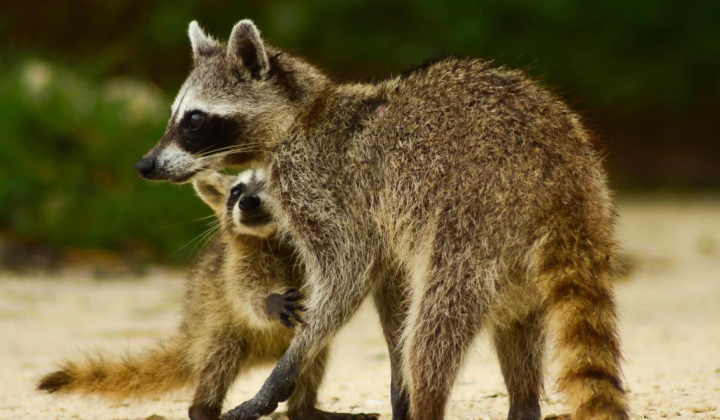
Water, sand, and paper: Rare Cozumel raccoons showcase surprising new behavior
According to НВ — Техно: Researchers from the University of Miami observed a juvenile Cozumel dwarf raccoon, labeled Juvenile 1, on Mexico's Cozumel Island fashioning a ball out of paper, water, and sand, and then playing with it. Published in the journal Wild, this study revealed an unexpected display of creativity in these rare animals that captivated scientists.
Juvenile 1 retrieved a piece of paper from a trash bin, soaked it in a water bowl, and rolled it across the sand until it formed a ball. Her sibling, Juvenile 2, watched closely and attempted to replicate the process but failed in the first four tries. Juvenile 1 took the paper back from Juvenile 2 and completed the ball herself. Notably, five days after Juvenile 1 was taken to a rehabilitation center, Juvenile 2 independently created a ball from a hamburger wrapper, moistened it, and rolled it over sand and stones. On the same day, Juvenile 2 also made a second ball from a receipt.
Findings and implications
During 64 hours of observation, biologists recorded 14 ball-making attempts, with 8 resulting in finished balls. These balls were used as toys, with six play sessions documented, sometimes involving the mother and both juveniles. The raccoons did not consume the paper or any food remnants on it. Interestingly, raccoons at another beach club 30 kilometers away had access to paper, water, and human interaction but did not create balls.
It is important to note that fewer than 200 sexually mature individuals of the dwarf (Cozumel) raccoon species remain. Sadly, Juvenile 1 died in rehabilitation, likely due to exhaustion and exposure to human-derived toxins. Researcher Nessie O’Neill commented:
“It wasn’t a groundbreaking discovery for me-I just thought she was adorable making her little ball.”
This discovery of innovative play behavior in Cozumel’s dwarf raccoons highlights the significance of preserving this endangered species, as their inventiveness may reflect their adaptability to their environment. The study also emphasizes the impact of human activity on wildlife, underscored by Juvenile 1’s death linked to exhaustion and toxic substances. These findings could drive further research and conservation efforts aimed at ensuring the survival of these unique raccoons in the wild.

Read also