Over 1,000 Lives Lost in Nepal’s 2026 Flood Triggered by Glacier and Rock Collapse

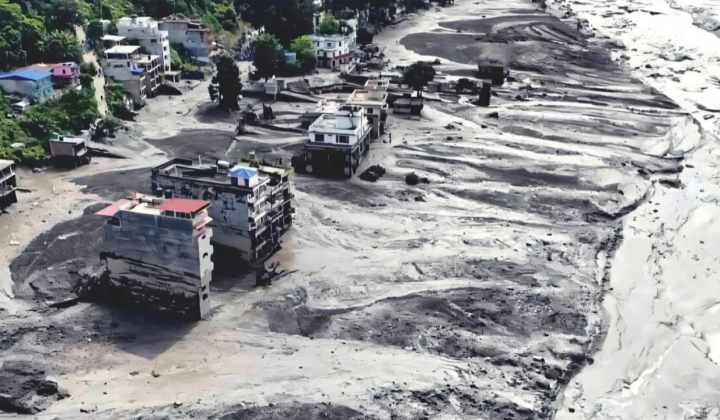
The Devastating Flood Disaster in Nepal, 2026
According to НВ — Техно: In September 2026, Nepal faced a catastrophic flood that claimed more than 1,000 lives and left thousands missing. This tragedy was sparked by a massive collapse of ice and rock along the border with China, which blocked the flow of the Bhote Koshi River. The resulting natural dam held back water for nearly 19 hours before giving way, unleashing a destructive surge of water, rocks, and mud. The force of this flood was so immense that it surpassed the energy released by the atomic bomb dropped on Hiroshima.
Basant Raj Adhikari, director of the Disaster Research Center at Tribhuvan University, described the event as
"an unprecedented scale for this region."
Escalating Natural Hazards Across the Region
This flood is part of a growing series of natural disasters worsened by glacier melt in the Hindu Kush-Himalayan mountain range. Between 1990 and 2020, glaciers in this region lost nearly 12% of their area, with the rate of ice melt doubling after 2000. A study conducted in April 2026 identified over 219 potentially dangerous hanging glaciers in the Alaknanda River basin in northern India, highlighting the escalating risks caused by glacier retreat.
In 2021, a similar ice and rock collapse in the Rishiganga valley of Uttarakhand, India, resulted in over 200 deaths and destroyed hydroelectric facilities. The broader region-covering river basins in Nepal, India, Pakistan, Bhutan, Afghanistan, Bangladesh, and Myanmar-requires a new, integrated approach to managing its complex hazards. As Saswata Sanyal points out,
"the era of planning defenses against isolated events is over."
Addressing these dangers effectively demands a comprehensive monitoring and protection framework that combines multiple technologies. Satellite surveillance alone cannot provide timely warnings of sudden rockfalls due to cloud cover and the intervals between satellite passes. Therefore, orbital data must be integrated with ground-based seismic sensors, cameras, and hydrological stations. Ishfaq Ahmad emphasizes that "space-based optics excellently capture dangerous lakes and landscape changes after the fact but cannot predict sudden rock collapses."
- Glacial collapse
- Landslides
- Avalanches
- River blockage
With these threats increasing, urgent regional action is essential to prevent future catastrophes. This disaster highlights the growing vulnerability of mountain communities affected by climate change. Implementing new monitoring strategies and early warning systems is critical to reducing risks to people and infrastructure. Developing integrated early alert systems could be pivotal in saving lives and averting similar disasters moving forward.
The recent disaster in Nepal is not an isolated incident; it follows a worrying pattern of glacier-related tragedies in the region. For instance, a similar glacier break resulted in over 469 fatalities in Nepal, illustrating the severe risks posed by climate change and glacial melting. Understanding these incidents is crucial for grasping the broader implications of natural hazards in the Himalayas. Learn more about this earlier event and its impact here.

Read also