New Anti-Corruption Body Proposed by SAP Head to Tackle Systemic Expert Issues

The Case for an Independent Expert Institution
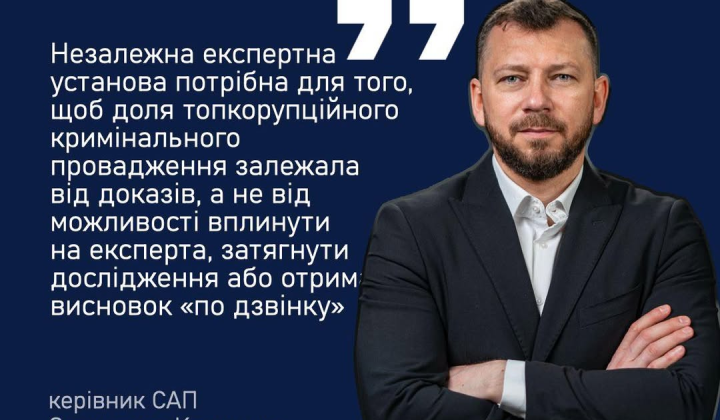
According to САП: Oleksandr Klymenko, the head of Ukraine's Specialized Anti-Corruption Prosecutor's Office (SAP), has called for the creation of a dedicated independent expert agency to handle high-level corruption cases. In a column published by Ukrainska Pravda, he argued that systemic failures-such as pressure on experts, years-long delays in research, and contradictory findings-are undermining justice. For English-speaking readers unfamiliar with Ukraine's anti-corruption landscape, the SAP and the National Anti-Corruption Bureau (NABU) jointly lead investigations into top officials, but their work often stalls due to unreliable forensic expertise.
Klymenko noted that forensic examinations are conducted in nearly every case handled by NABU and SAP. Without an expert opinion, it is impossible to substantiate suspicion, bring a case to court, or secure a conviction. He stressed that
"the answer must be a separate independent expert institution for high-level corruption proceedings-with a transparent competitive selection of its head, real guarantees for experts, and independence enshrined in law"
- Oleksandr Klymenko.
Challenges in Expert Work
Among the problems faced by experts, Klymenko highlighted:
- Pressure on experts, including threats and attempts to strip them of their professional rights;
- Research delays lasting years, causing statutes of limitations to expire;
- Contradictory conclusions from the same institution regarding the same object.
Klymenko's statement underscores the critical need for independent expert bodies in combating high-level corruption. Establishing such an institution could significantly boost the effectiveness of investigations and court proceedings by reducing external influence on expert opinions. This would mark a major step toward ensuring justice and strengthening public trust in Ukraine's anti-corruption agencies.
As Klymenko emphasizes the need for a dedicated expert agency, recent events highlight the detrimental impact of unreliable expertise on judicial outcomes. For instance, contradictory expert reports have led to acquittals in significant corruption cases, raising concerns about the integrity of the investigative process. To understand the broader implications of these issues, read more about how conflicting forensic analyses can undermine justice in high-profile corruption trials here.

Read also