Kyiv Restores Heating After Russian Strikes: A Look at the Recovery Effort


Heating Returns to Kyiv Following Attacks
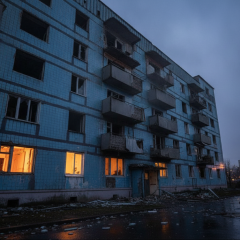
According to Главком: Utility crews in Kyiv are working to restore central heating after recent Russian attacks on the city's infrastructure. As of this morning, just under 3,000 apartment buildings remained without heat. However, over the past night, workers successfully reconnected 227 buildings. This is part of a broader effort to return the capital's residents to normal living conditions. These attacks are part of a wider Russian campaign targeting Ukraine's energy grid, especially during the harsh winter months.
The strikes, which occurred on January 9 and 20, severely damaged the heating supply system. Despite this, power has been restored to all critical infrastructure facilities impacted by the most recent attack. Mayor Vitali Klitschko reported that municipal and energy workers are operating around the clock to bring heat and light back to Kyiv's residents.
“We have done this for a second time after the infrastructure was damaged by enemy attacks on the 9th and 20th of January” – Vitali Klitschko
The Power Supply Situation
Separately, emergency power outages continue in the capital due to the critical state of the national energy system. Ukraine is implementing significantly stricter schedules for electricity restrictions. To improve the situation, Kyiv has reached an agreement with the German Society for International Cooperation (GIZ) to receive two cogeneration units. These mini-CHP (combined heat and power) plants are expected to arrive in Kyiv next week, which should help stabilize the city's heating supply.
Restoring heat to Kyiv is a crucial step in ensuring livable conditions for the capital's inhabitants following the recent assaults. Municipal services continue to work on repairing the system, and the gradual reconnection of buildings demonstrates the ongoing push to return to normalcy. The agreement with GIZ remains a key initiative that could substantially improve the city's energy situation, which is particularly vital given the increasing demand for heat and electricity.

Read also