Exploring Kinilaw: The Filipino Raw Fish Dish Marinated in Vinegar and Citrus with Recipe and Key Insights

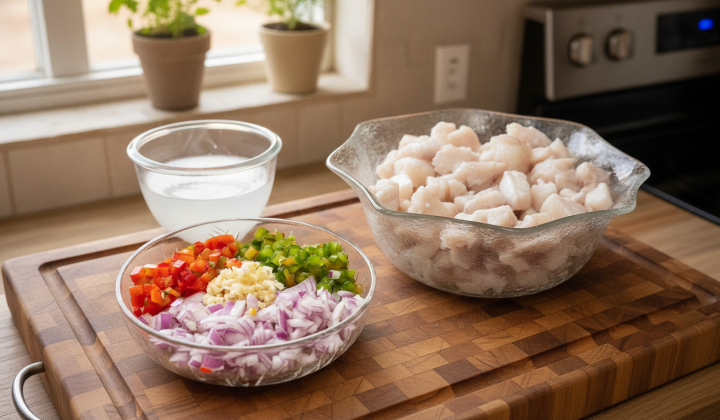
Kinilaw: A Staple Filipino Dish
According to I am Aileen: Kinilaw, also known as Kilawin, is a classic Filipino recipe similar to ceviche, featuring raw fish or seafood marinated in vinegar or citrus juices. Commonly enjoyed as a snack or pulutan alongside alcoholic drinks, this dish varies across regions, sometimes incorporating cooked ingredients. Unlike Latin American ceviche, where citrus dominates, Filipino kinilaw relies more heavily on vinegar for its distinctive tang.
How to Make Kinilaw
The preparation starts with selecting fresh tuna, the primary ingredient. The recipe calls for:
- 500 grams of fresh tuna
- 3/4 cup of vinegar for rinsing
- 1/3 cup of coconut or cane vinegar
- 1 red onion
- 2 tablespoons of ginger
- 4 tablespoons of kalamansi juice
- Salt and pepper to taste
Optional garnishes include:
- 3 Thai chili peppers
- 1 tablespoon of sugar
- 1 tomato
Preparation takes about 10 minutes, with marinating time around 30 minutes.
While raw fish is a beloved ingredient, food safety is crucial. The acid from vinegar and citrus changes the protein structure, making the fish opaque, but this process doesn’t cook the fish like heat does. Preferred fish for kinilaw include labahita (Japan Surgeonfish), yellowfin tuna, deboned bangus (milkfish), and tanigue (Spanish mackerel). It's important to note that vinegar and kalamansi do not guarantee complete elimination of bacteria or parasites, so consuming raw fish carries risks. Pregnant women, children, elderly individuals, and those with weakened immune systems are advised to avoid eating raw seafood dishes.
Kinilaw is often served as pulutan, a popular Filipino bar snack, and is frequently compared to Latin American ceviche. The distinction between kinilaw and kilawin lies in their ingredients: kinilaw uses raw components, while kilawin may include cooked or fried elements. This dish enjoys high acclaim, with a kinilaw recipe rating of 4.8 out of 5 based on 19 reviews on popular culinary websites, highlighting its popularity among enthusiasts of Filipino cuisine.
As a significant part of Filipino food culture, kinilaw is commonly shared during social gatherings and celebrations. Its appeal is expanding beyond the Philippines as more people discover the unique flavors and culinary traditions of this Southeast Asian nation. However, awareness about safe consumption practices remains essential, especially for vulnerable populations, emphasizing the importance of informed choices when enjoying raw fish dishes.

Read also