Avoid These 7 Common Mistakes When Planning a Road Trip to Save Time and Money

Insights from Extensive Road Trip Experience
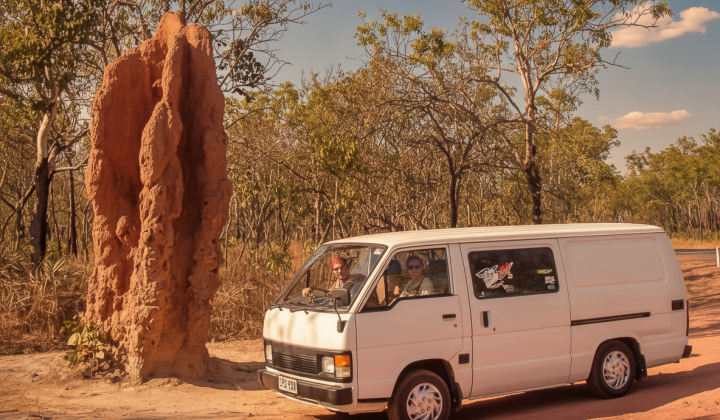
According to The Barefoot Nomad: The author shares personal adventures of traveling by campervan across Australia for six months, covering over 25,000 kilometers, as well as journeys through Canada between Kelowna, Alberta, and Winnipeg. This article highlights seven frequent errors in road trip planning that can lead to wasted time and unnecessary expenses.
During the Australian leg of the trip, the author and his companion Charles often ended up sleeping in gas station parking lots because they arrived after closing hours and lacked enough fuel to reach the next town. This emphasizes the importance of carefully scheduling daily driving distances with adequate breaks and time to reach accommodations. Additionally, many small Australian gas stations close as early as 4 PM, complicating late-day refueling. To prevent such issues, travelers should familiarize themselves with fuel station hours, distances between stops, and always carry extra fuel for emergencies.
Planning and Preparation Tips from Canadian Travels
In Canada, the author frequently travels routes from Kelowna, British Columbia, to Alberta-a distance of around 700 km-and onward to Winnipeg, Manitoba, which is roughly 2,000 km one way. Tools like GasBuddy, which compares fuel prices and locates stations along the way, are invaluable. When booking campsites, it is crucial to verify site sizes and amenities beforehand, especially during busy periods or holidays.
Vehicle inspection before departure is another key focus, including checking fluid levels, lighting, tire condition (including the spare), and trailer tires if applicable. Budget planning should cover not only fuel and accommodation but also additional costs like parking fees, tolls, entrance charges, equipment, and potential extra nights on the road. Setting aside contingency funds for unexpected expenses is highly recommended.
For comfort during travel, the author recommends using a soft cooler with sealed ice packs to keep food fresh. They avoided bananas due to their odor, opting for apples instead. Having easy-to-reach snacks and water available for passengers is advised. Navigation relies on Google Maps with offline maps pre-downloaded, supplemented by a paper map that holds accommodation details, ensuring access even without phone signal.
Summarizing, the author identifies seven typical mistakes to avoid when organizing a road trip:
- Planning driving times that exceed comfortable limits;
- Neglecting a thorough vehicle check before setting off;
- Assuming campsites will be available upon arrival without prior booking;
- Delaying refueling until dangerously low;
- Leaving meal planning too open-ended;
- Relying solely on mobile phone signals for navigation and information;
- Budgeting only for fuel and lodging, overlooking extra costs.
These practical tips can greatly simplify travel and reduce the risk of avoidable setbacks during a road trip.
The author’s experiences underscore the critical role of meticulous planning and caution while traveling by car. Even minor details like timing, gas station hours, and vehicle condition can significantly impact both comfort and safety. Such knowledge is valuable not only for travelers venturing through various countries but also for anyone preparing for extended road journeys.
While planning your road trip, it's also essential to be prepared for unforeseen circumstances that can arise along the way. Unexpected challenges can disrupt your itinerary, but having a strategy in place can help mitigate stress and ensure a smoother journey. For further insights on how to effectively navigate these situations, check out our article on dealing with travel surprises.

Read also