Satellite Imagery Reveals China's Covert Nuclear Buildup in Sichuan

Evidence of a Covert Nuclear Expansion
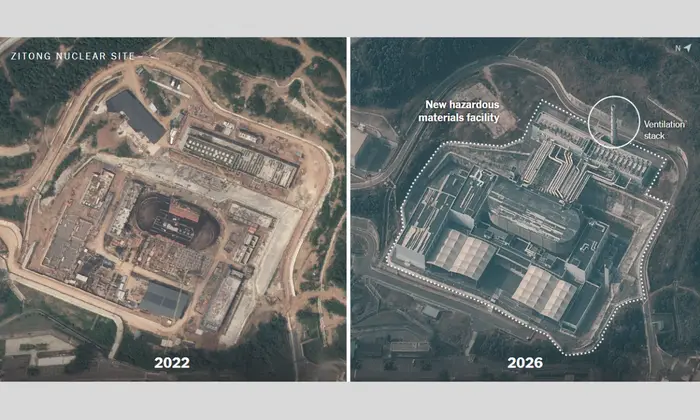
According to Главком: Satellite imagery indicates China is rapidly expanding its nuclear capabilities through the construction and modernization of secretive facilities in Sichuan province. This activity is heightening tensions with the United States and complicating global arms control efforts. China's nuclear modernization is a central concern in its strategic competition with the U.S.
The imagery shows an accelerated pace of development at key sites. The Qitong facility in Sichuan displays new bunker and berm construction. Another critical site, Pington, features a double perimeter fence and is assessed by experts to be producing plutonium cores for nuclear warheads. The main building at Pington was also renovated in recent years and is equipped with a 360-foot ventilation stack.
Implications for Global Security
According to Pentagon estimates, China possessed over 600 nuclear warheads by the end of 2024 and aims to have 1,000 by 2030. However, China's stockpile remains smaller than those of the United States and Russia. In a related development, U.S. Deputy Secretary of State Thomas G. DiNanno this month accused China of conducting secret nuclear weapons tests, allegations that Beijing has denied.
Separately, Beijing warned Washington that a planned state visit by then-U.S. President Donald Trump to China in April was at risk due to U.S. preparations for a new arms package for Taiwan. Amid these rising tensions, Chinese leader Xi Jinping called for renewed dedication to the nation's founding mission and emphasized the importance of its core objectives.
Xi Jinping called for renewed dedication to the nation's founding mission and emphasized the importance of its core objectives.
The situation surrounding China's nuclear arsenal remains tense, and developments in this area could have serious consequences for international relations and global security. Given China's apparent intent to bolster its nuclear forces, the necessity for dialogue among major powers becomes ever more critical to avoid escalation and ensure regional stability.

Read also