Aluminum Atom-Based Catalyst Developed by Chinese Scientists to Slow Sodium-Sulfur Battery Wear

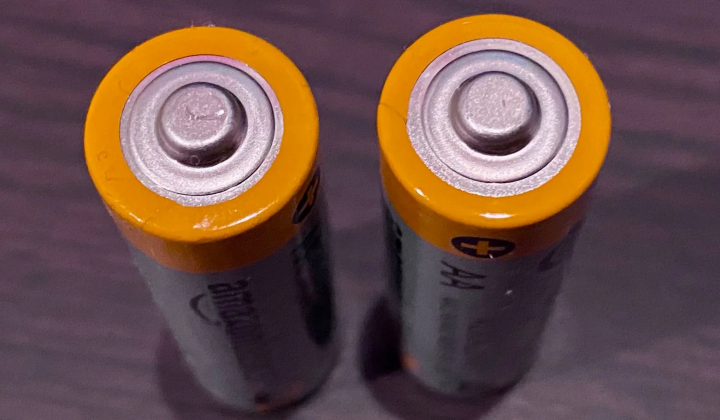
Aluminum-Driven Catalyst Enhances Longevity of Sodium-Sulfur Batteries
According to НВ — Техно: Researchers from the Chinese Academy of Sciences have engineered a novel catalyst composed of isolated aluminum atoms that effectively slows down the degradation process in sodium-sulfur batteries. This breakthrough catalyst, featuring an asymmetric Al-O3N configuration, significantly improves the interaction with polysulfides, boosting battery performance. Their findings were published in the respected journal Angewandte Chemie.
Research Insights and Outcomes
The project was led by Professors Wang Huey and Zheng Fangcai at the High Magnetic Field Laboratory in Hefei. Sodium-sulfur batteries typically suffer rapid capacity loss due to the formation of sodium polysulfides, which hamper their efficiency. Conventional catalysts for these batteries often rely on costly metals like platinum, cobalt, or nickel. Aluminum, although more affordable and non-toxic, has traditionally lacked the catalytic activity needed to effectively engage with polysulfides.
To overcome this limitation, the team redesigned the usual isolated aluminum atom structure from Al-O4 by substituting one oxygen atom with nitrogen, creating an asymmetric complex with three oxygen and one nitrogen atom surrounding the aluminum. This adjustment altered the electron distribution and generated localized charges, strengthening the aluminum’s affinity for sulfur compounds. As a result, polysulfides were better retained and the battery’s chemical reactions accelerated.
Laboratory tests revealed that the cathode retained a high capacity of 1196 mAh/g even after 100 cycles. Remarkably, after 2500 cycles, the cathode exhibited a minimal capacity fade rate of just 0.017% per cycle. These metrics outperform those of more expensive transition metal-based catalysts. The researchers emphasize that the local atomic environment is crucial in determining the catalytic efficiency of single-atom catalysts, opening new avenues for designing cost-effective catalysts from main group metals.
This advancement in aluminum-based catalysis could profoundly impact the battery industry, especially as demand grows for renewable energy storage solutions. By lowering production costs through the use of inexpensive and eco-friendly materials like aluminum, sodium-sulfur batteries may become more accessible for widespread application. This progress supports the shift toward greener energy storage technologies and reduces reliance on scarce, expensive rare-earth elements.
In addition to advancements in sodium-sulfur batteries, researchers are also exploring innovative solutions for other energy storage systems. For instance, German chemists have developed a composite material that enhances the performance and lifespan of zinc-air batteries, highlighting the ongoing efforts to improve battery technology across various platforms.

Read also