Chinese Scientists Develop Fabric That Repels Water and Retains Heat at -25°C

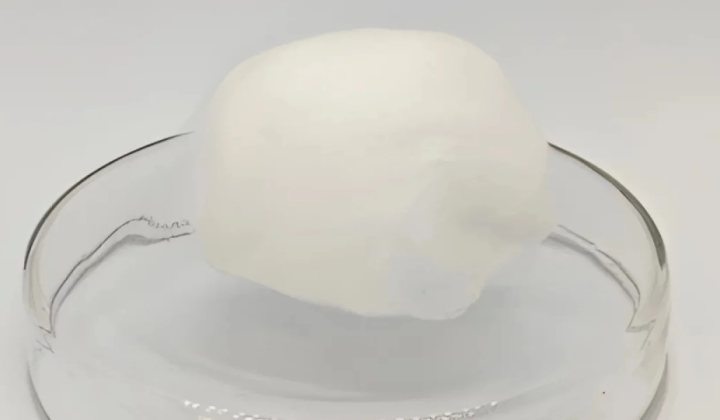
Introducing PCFA: A Breakthrough Synthetic Material
According to НВ — Техно: June 19, 08:00
A team from the Chinese Academy of Sciences has engineered a novel synthetic material called PCFA (Phase-Change Fibrous Aerogel). Although it feels like cotton to the touch, this substance boasts extraordinary capabilities: it actively repels moisture while managing temperature. Such features position it as a promising candidate for applications in clothing and insulation systems.
How PCFA Works and What It Can Do
PCFA is built from hydrophobic polymer fibers embedded with microscopic capsules of a phase-change hydrocarbon. When the temperature hits 26.2 degrees Celsius, this hydrocarbon shifts its molecular structure, allowing the material to adjust to varying thermal conditions. Lab tests involved samples roughly 15 by 20 centimeters in size, which delivered impressive results.
Experiments revealed that PCFA did not absorb water vapor or liquid droplets in humid environments, boosting its practical utility. At minus 25 degrees Celsius, a hand wrapped in PCFA stayed warmer than one wrapped in cotton of equal thickness-proof of its superior thermal insulation. Moreover, after 20 wash cycles, the material retained 97 percent of its insulating properties, highlighting its durability.
- PCFA can be shaped into various forms, such as fluffy pellets or flat fabric sheets.
- This innovation marks a significant step forward in material technology.
- There is a growing need for lightweight, flexible, waterproof materials with strong thermal insulation.
The creation of PCFA underscores the critical role of innovation in materials science, as new synthetics can greatly enhance the performance of existing products. With rising demand for eco-friendly and multifunctional materials, PCFA may find uses not only in fashion but also in construction, automotive manufacturing, and other sectors requiring high insulation and water resistance. Ultimately, this could help reduce energy consumption and improve everyday comfort.

Read also